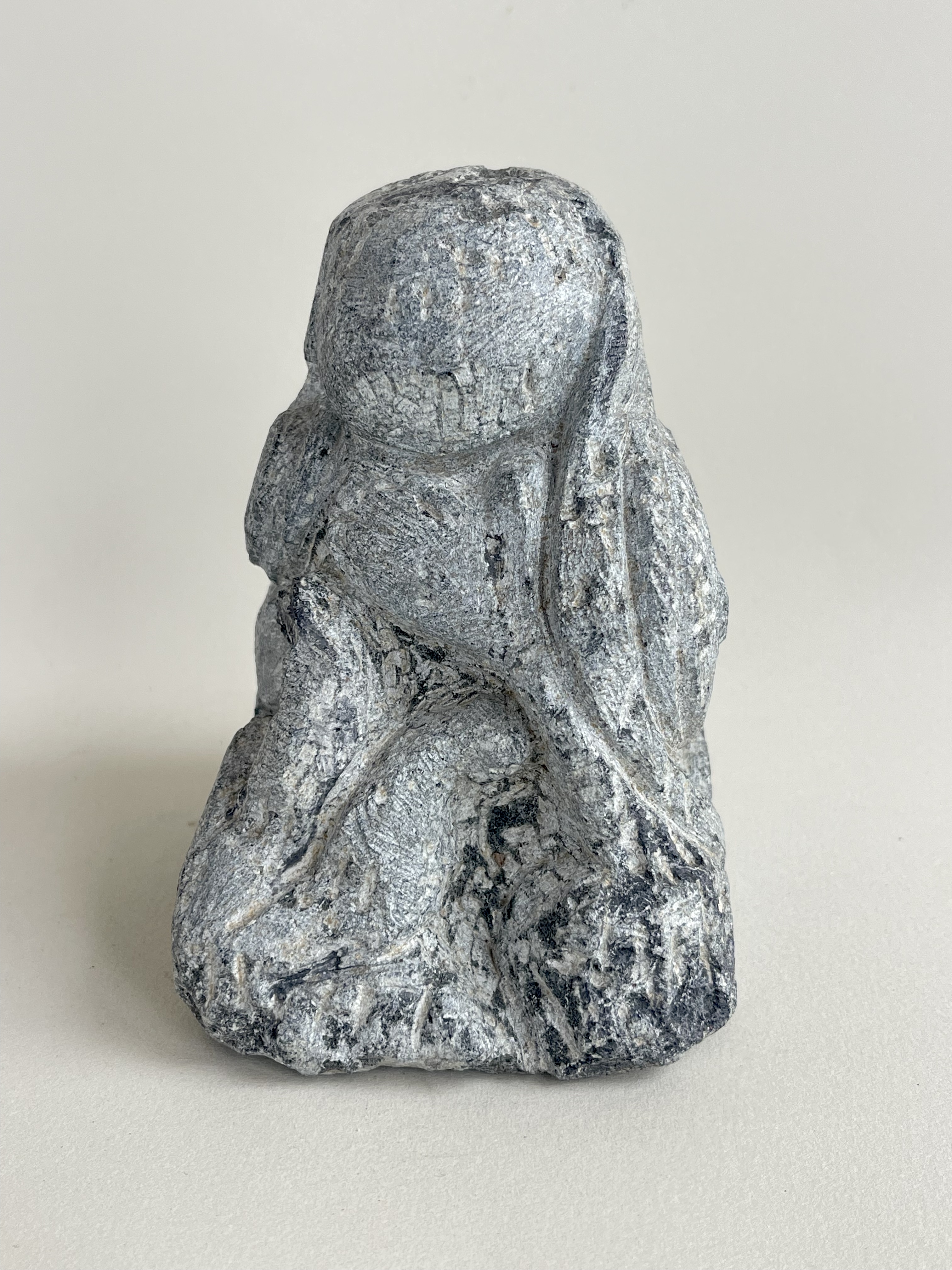
Explore the Collection
Objects from different cultures, periods, materials, and traditions, presented through one catalogue and one point of access.
Disclaimer
All objects offered here for loan have been professionally assessed and appraised. Assessments may contain errors and are subject to further research. Unless accompanied by laboratory test results, an object's assessment should be considered provisional.
Research Methodology and Analysis
Research and assessment at the Maurice Heritage Collection are grounded in more than 45 years of experience in collecting, studying, and examining objects of cultural, historical, and artistic significance. This accumulated experience informs the Collection's approach to identification, cultural attribution, chronology, historical function, and interpretation. Every object in the Collection is held in its physical possession and has been examined firsthand. This direct access enables systematic investigation of material characteristics, construction methods, manufacturing techniques, surface alterations, patination, wear patterns, and other physical evidence. These observations provide the foundation for assessing an object's materials, production techniques, cultural context, historical function, and age, and guide subsequent comparative and historical research. Where appropriate, objects of particular historical or cultural significance have also been discussed with leading, internationally recognized scholars and specialists for scholarly consultation, comparative guidance, and recommendations for further research. Advanced artificial intelligence tools are incorporated into the research process to extend comparative investigation, explore historical and cultural contexts, identify relevant scholarly publications and museum collections, and examine proposed attributions against documented examples. These tools also assist in organizing evidence, exploring alternative interpretations, and identifying questions that may warrant further investigation. Artificial intelligence additionally serves as a linguistic and editorial instrument, assisting in the translation, organization, drafting, and refinement of English-language texts. This enables research developed and directed by the Collection to be communicated with greater linguistic precision and clarity. While AI may contribute substantially to the formulation and presentation of the written text, the underlying physical observations, research direction, evaluation of evidence, and final scholarly judgments remain under the intellectual direction and responsibility of the Collection. The cultural attributions, chronological assessments, and interpretations presented in this catalogue reflect the Collection's accumulated experience, firsthand examination, comparative research, and scholarly judgment. The Collection welcomes continued investigation, independent scholarly examination, and the refinement of its findings as additional evidence becomes available.
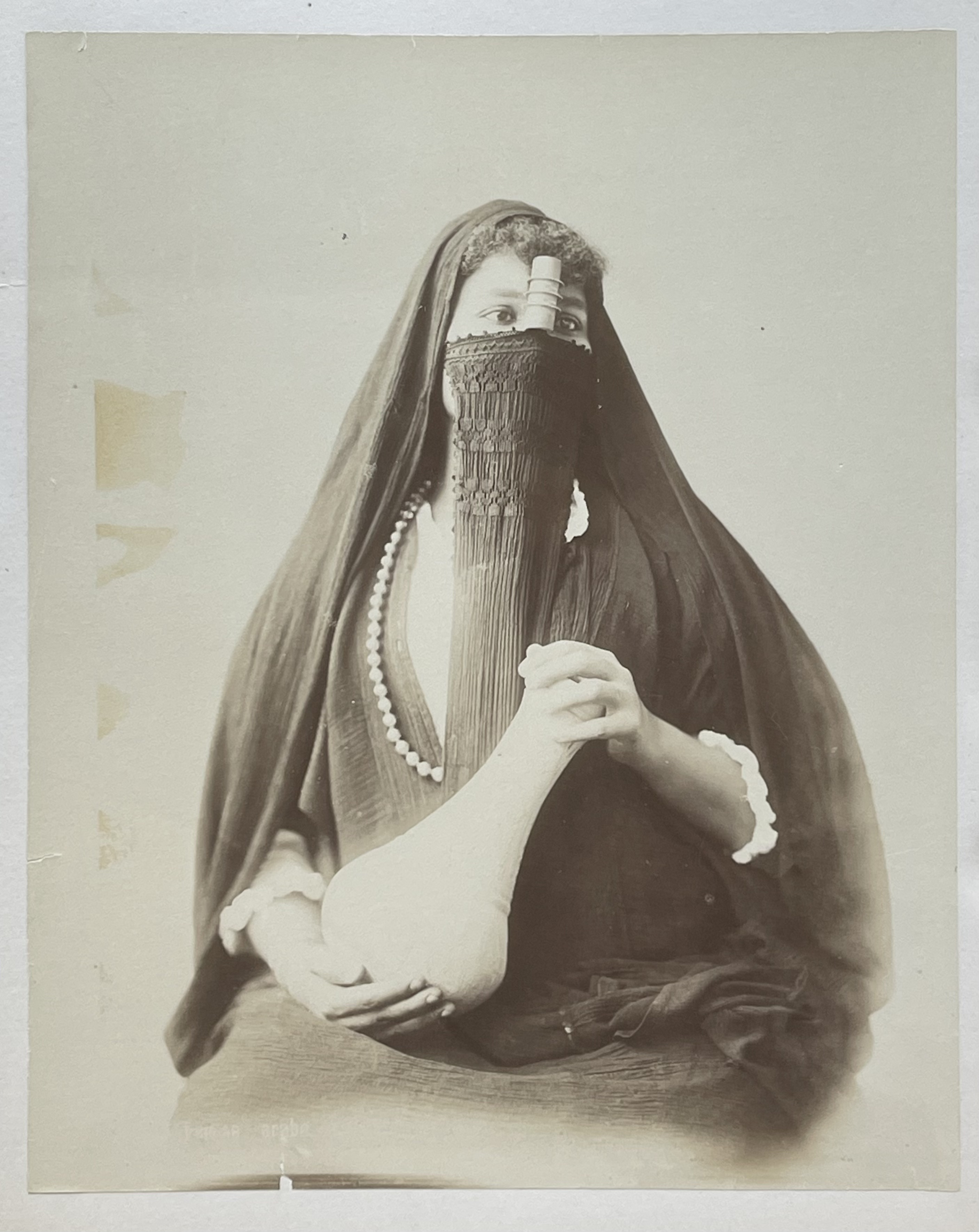
Women of Egypt and North Africa: Antique Albumen Photographs, Lot of Three

Antique Egypt and North Africa Labor and Transport Photographs, Lot of Four


Jewish Bronze Shabbat Oil Lamp with Double-Bird Motif
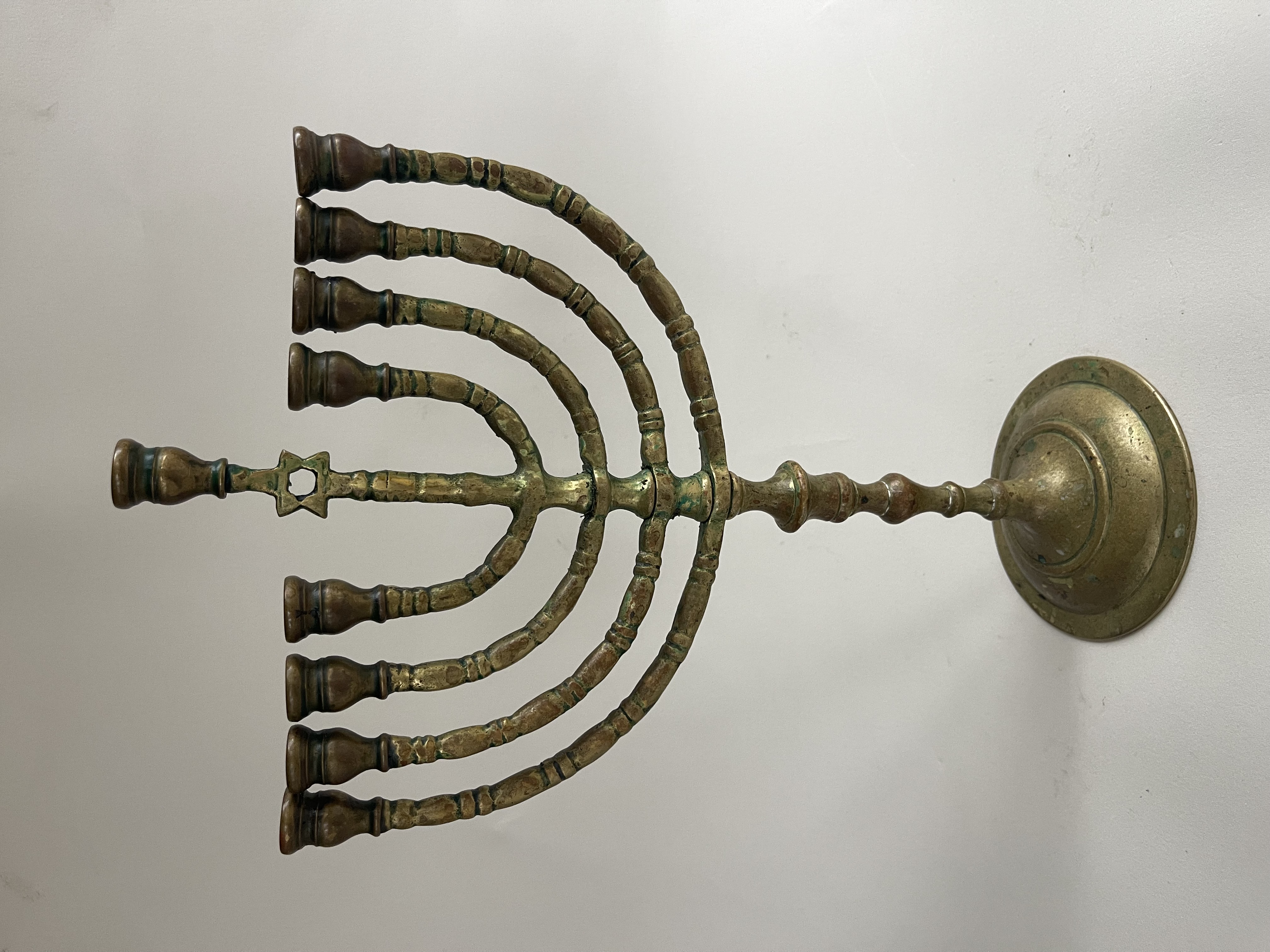
Antique 19th C Jewish Brass Hanukkah Menorah Hanukkiah Poland Galicia Judaica
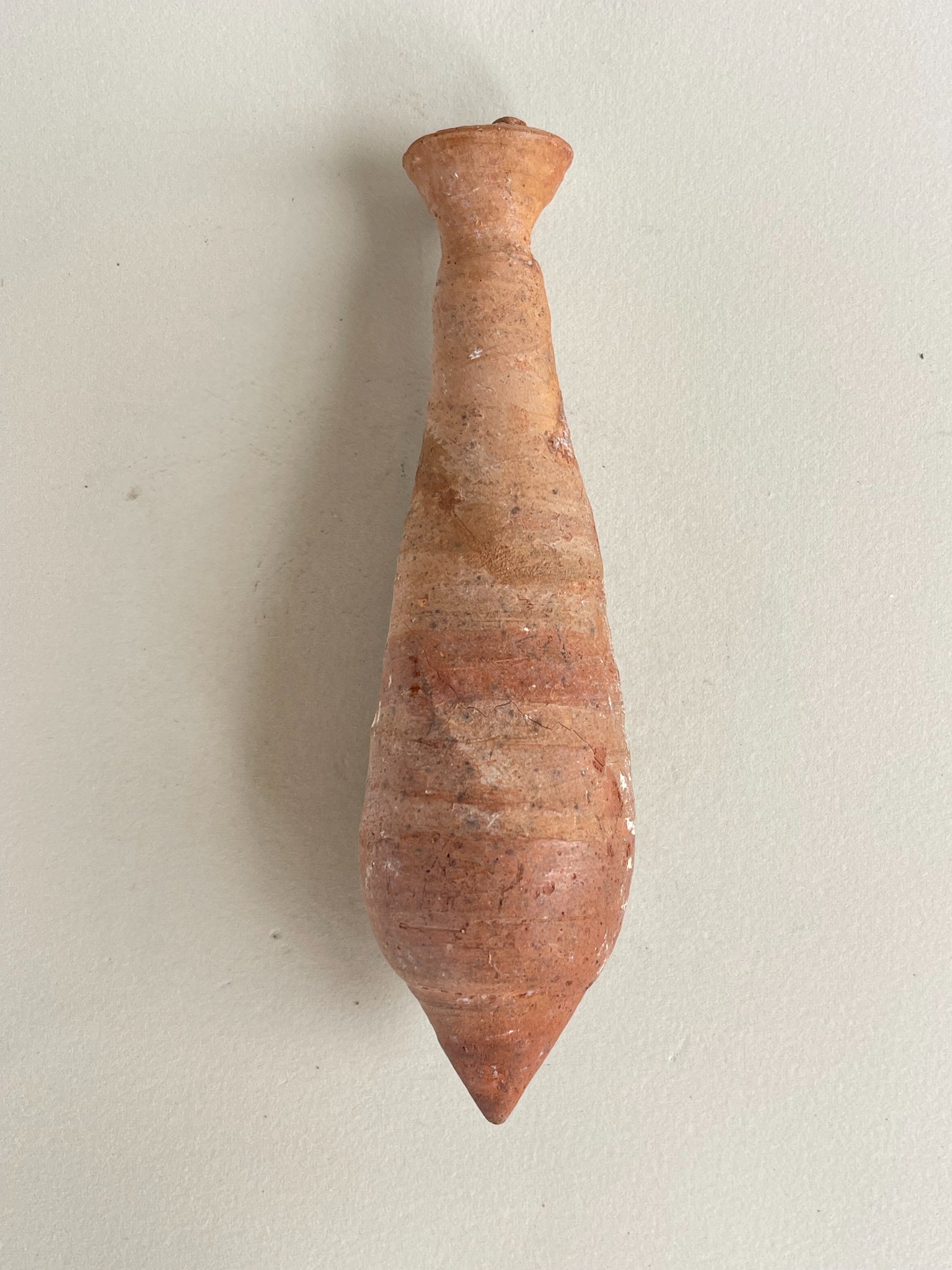
Jewish Ritual Unguentarium, Roman Period — Intact Pointed Form
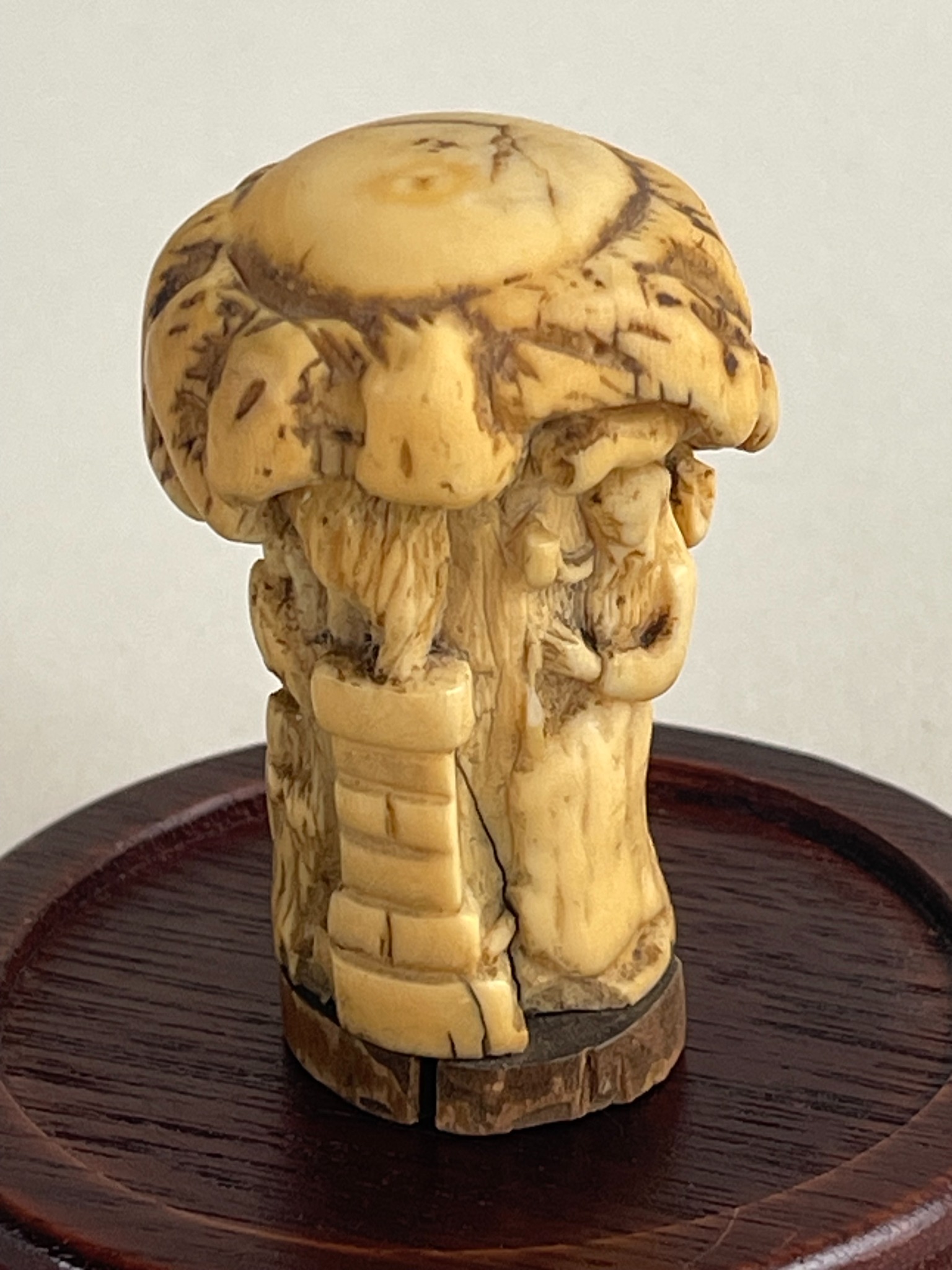
Carved Ivory Christian Devotional Miniature with Hermitage Scene

Miniature Black Forest Carved Antler Pipe with Hunting Dog
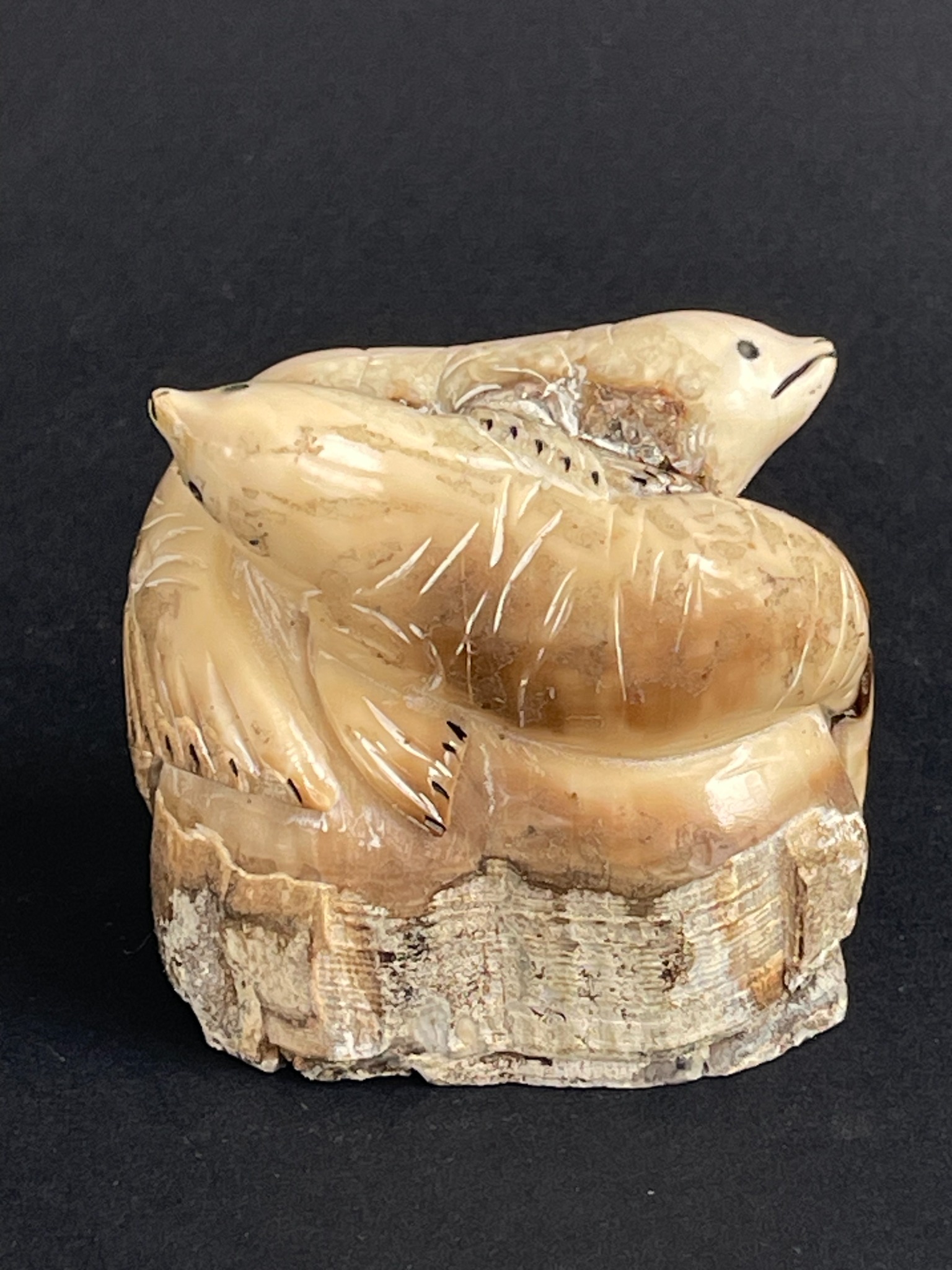
Carved Seal Group in Fossilized Proboscidean Bone
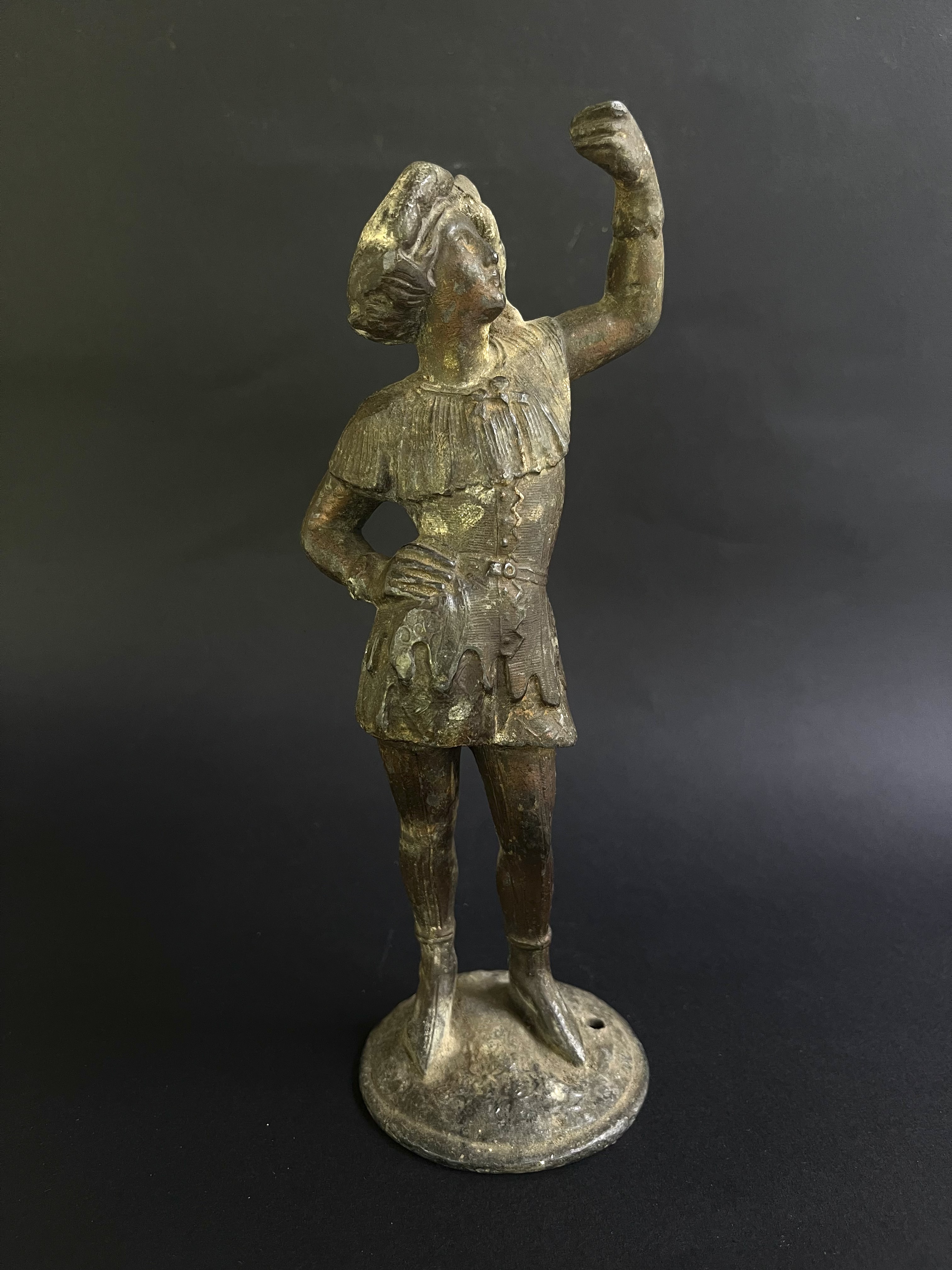
German Landsknecht Bronze Figural Candlestick

Cast Iron Horse Sculpture with Expressive Flowing Forms
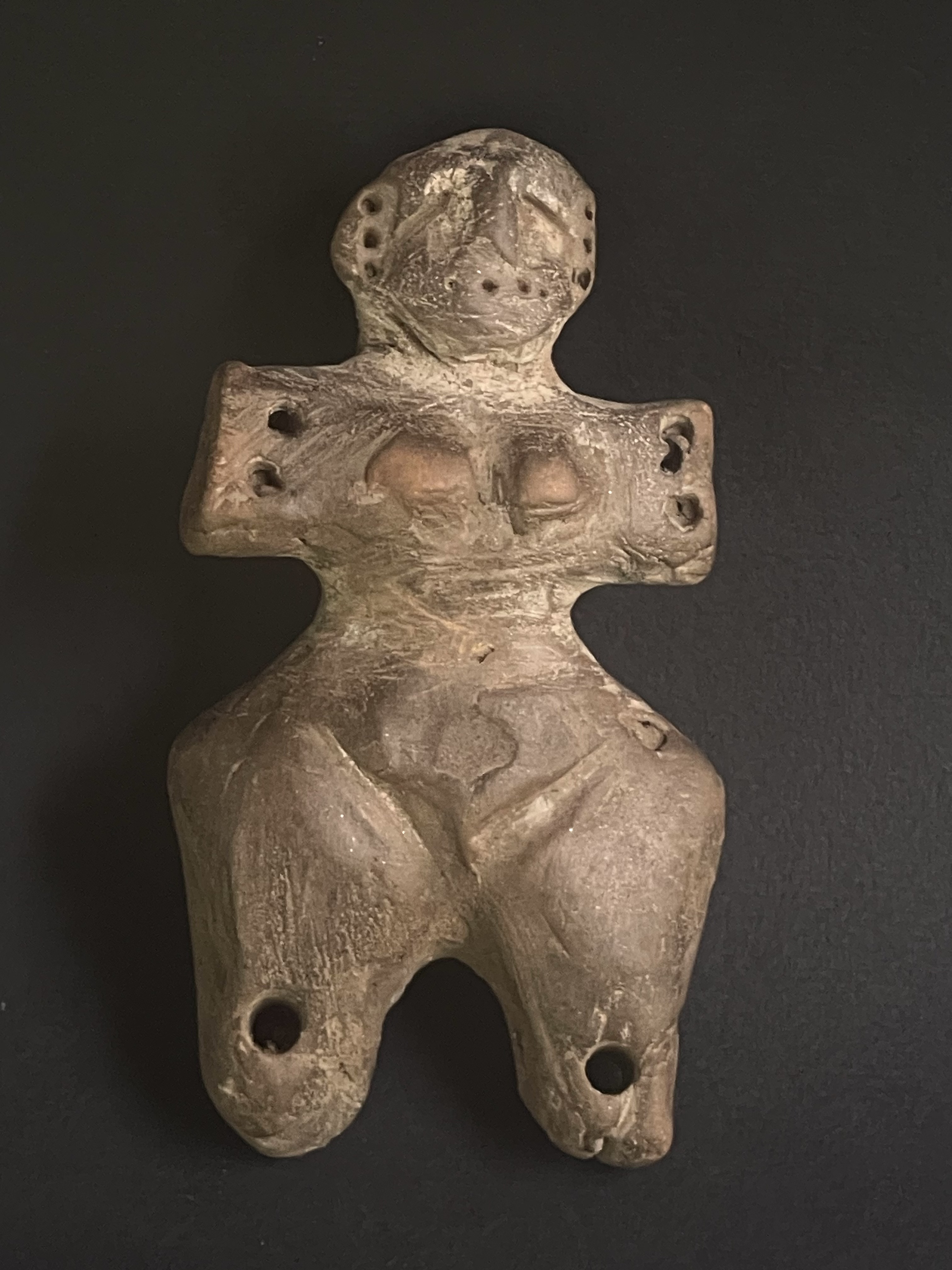
Neolithic Vinča–Tordos Female Idol
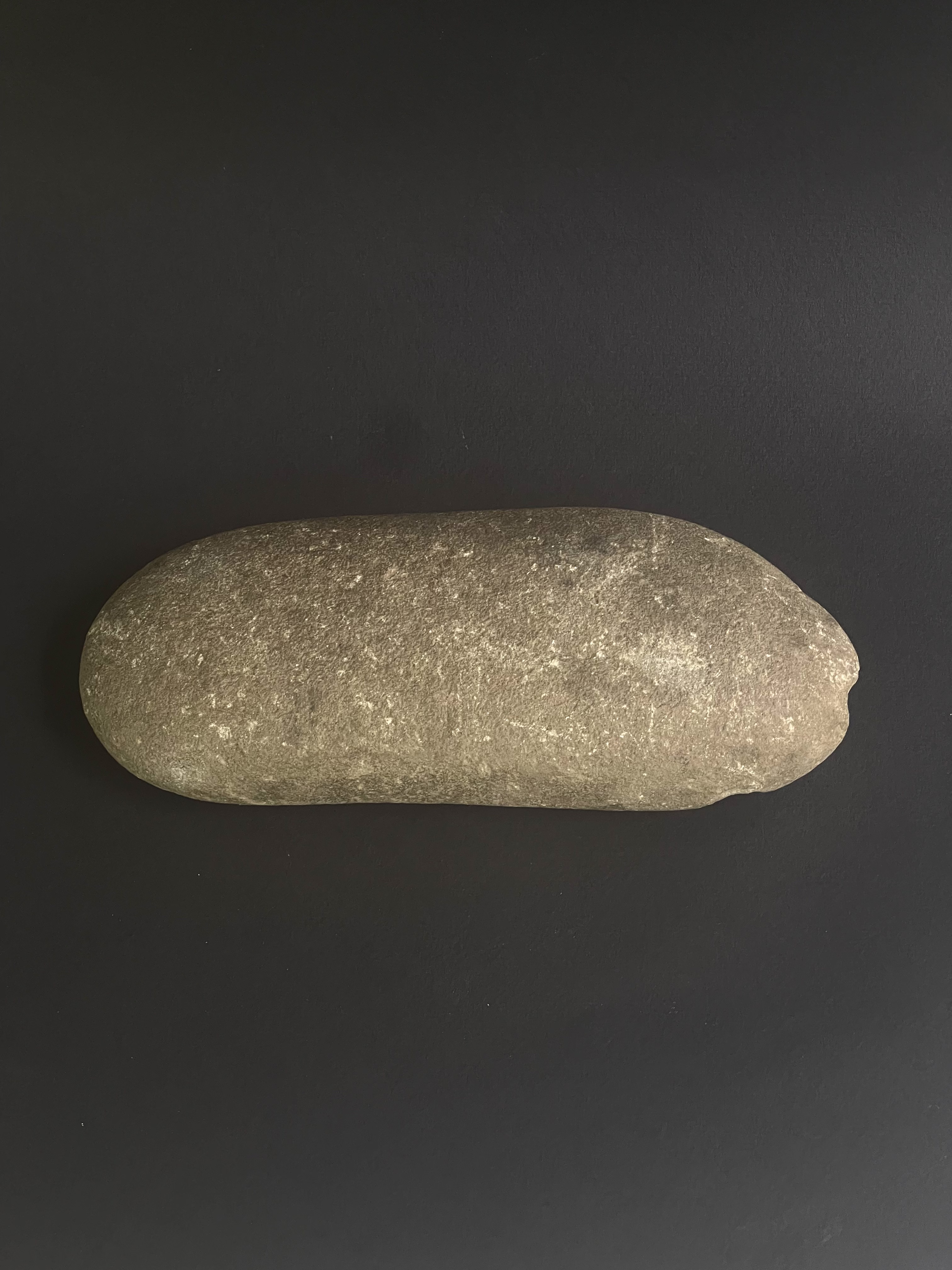
Native American Diabase Hammerstone, Hudson Valley

Set of Six Pre-Contact Bone Tools