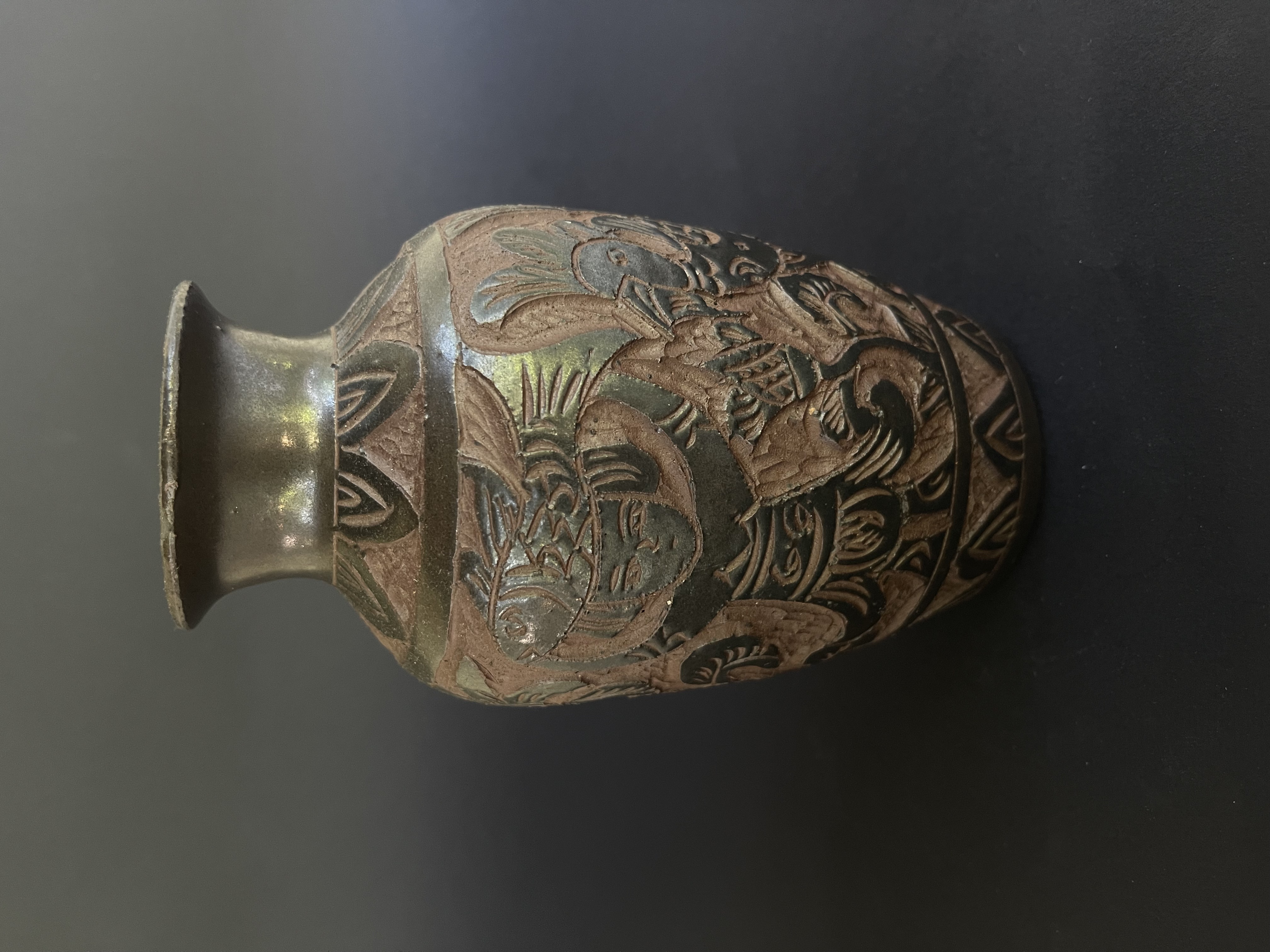
Explore the Collection
Objects from different cultures, periods, materials, and traditions, presented through one catalogue and one point of access.
Disclaimer
All objects offered here for loan have been professionally assessed and appraised. Assessments may contain errors and are subject to further research. Unless accompanied by laboratory test results, an object's assessment should be considered provisional.
Research Methodology and Analysis
Research and assessment at the Maurice Heritage Collection are grounded in more than 45 years of experience in collecting, studying, and examining objects of cultural, historical, and artistic significance. This accumulated experience informs the Collection's approach to identification, cultural attribution, chronology, historical function, and interpretation. Every object in the Collection is held in its physical possession and has been examined firsthand. This direct access enables systematic investigation of material characteristics, construction methods, manufacturing techniques, surface alterations, patination, wear patterns, and other physical evidence. These observations provide the foundation for assessing an object's materials, production techniques, cultural context, historical function, and age, and guide subsequent comparative and historical research. Where appropriate, objects of particular historical or cultural significance have also been discussed with leading, internationally recognized scholars and specialists for scholarly consultation, comparative guidance, and recommendations for further research. Advanced artificial intelligence tools are incorporated into the research process to extend comparative investigation, explore historical and cultural contexts, identify relevant scholarly publications and museum collections, and examine proposed attributions against documented examples. These tools also assist in organizing evidence, exploring alternative interpretations, and identifying questions that may warrant further investigation. Artificial intelligence additionally serves as a linguistic and editorial instrument, assisting in the translation, organization, drafting, and refinement of English-language texts. This enables research developed and directed by the Collection to be communicated with greater linguistic precision and clarity. While AI may contribute substantially to the formulation and presentation of the written text, the underlying physical observations, research direction, evaluation of evidence, and final scholarly judgments remain under the intellectual direction and responsibility of the Collection. The cultural attributions, chronological assessments, and interpretations presented in this catalogue reflect the Collection's accumulated experience, firsthand examination, comparative research, and scholarly judgment. The Collection welcomes continued investigation, independent scholarly examination, and the refinement of its findings as additional evidence becomes available.
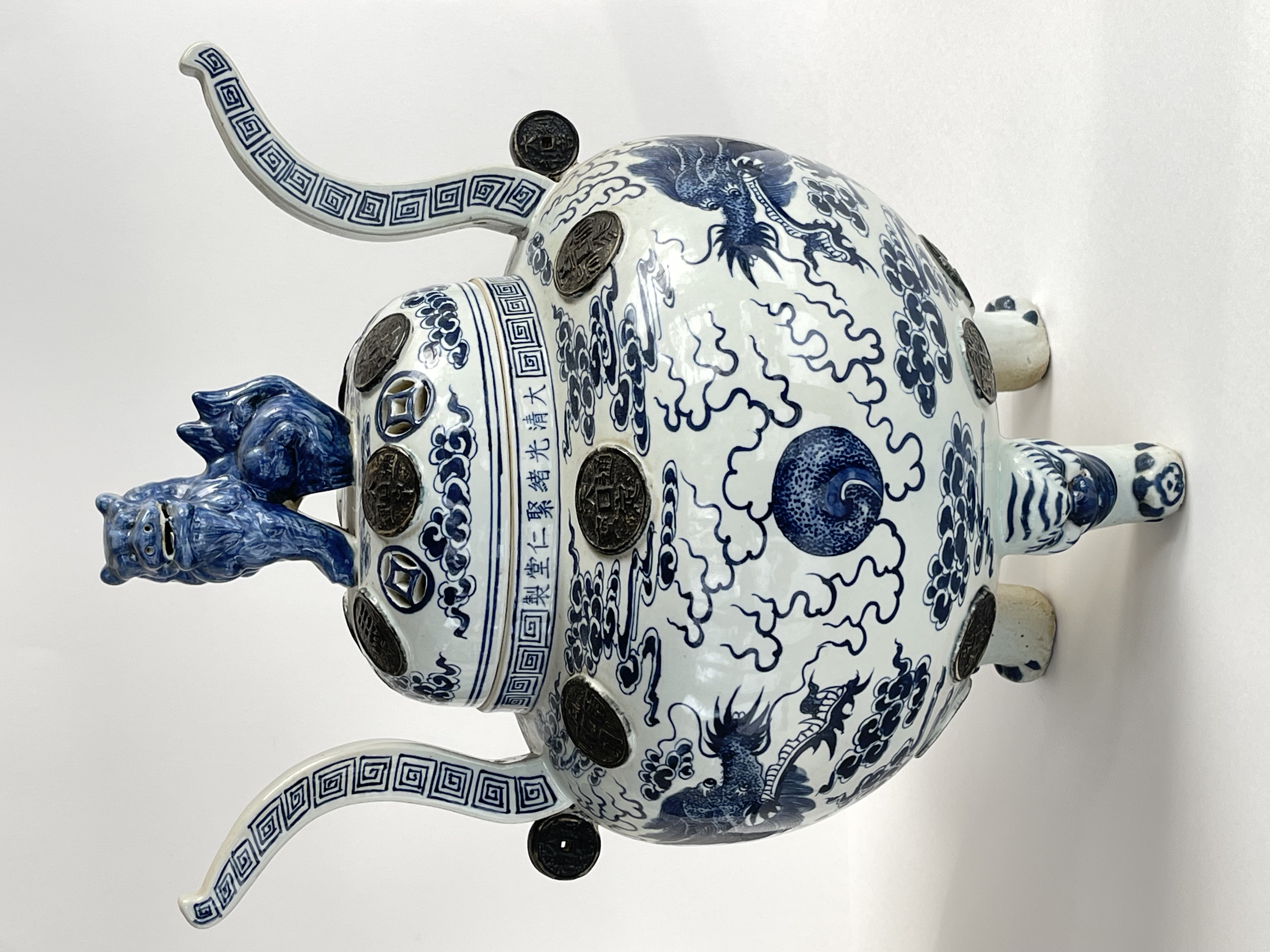
Monumental Qing Blue-and-White Dragon Tripod Censer
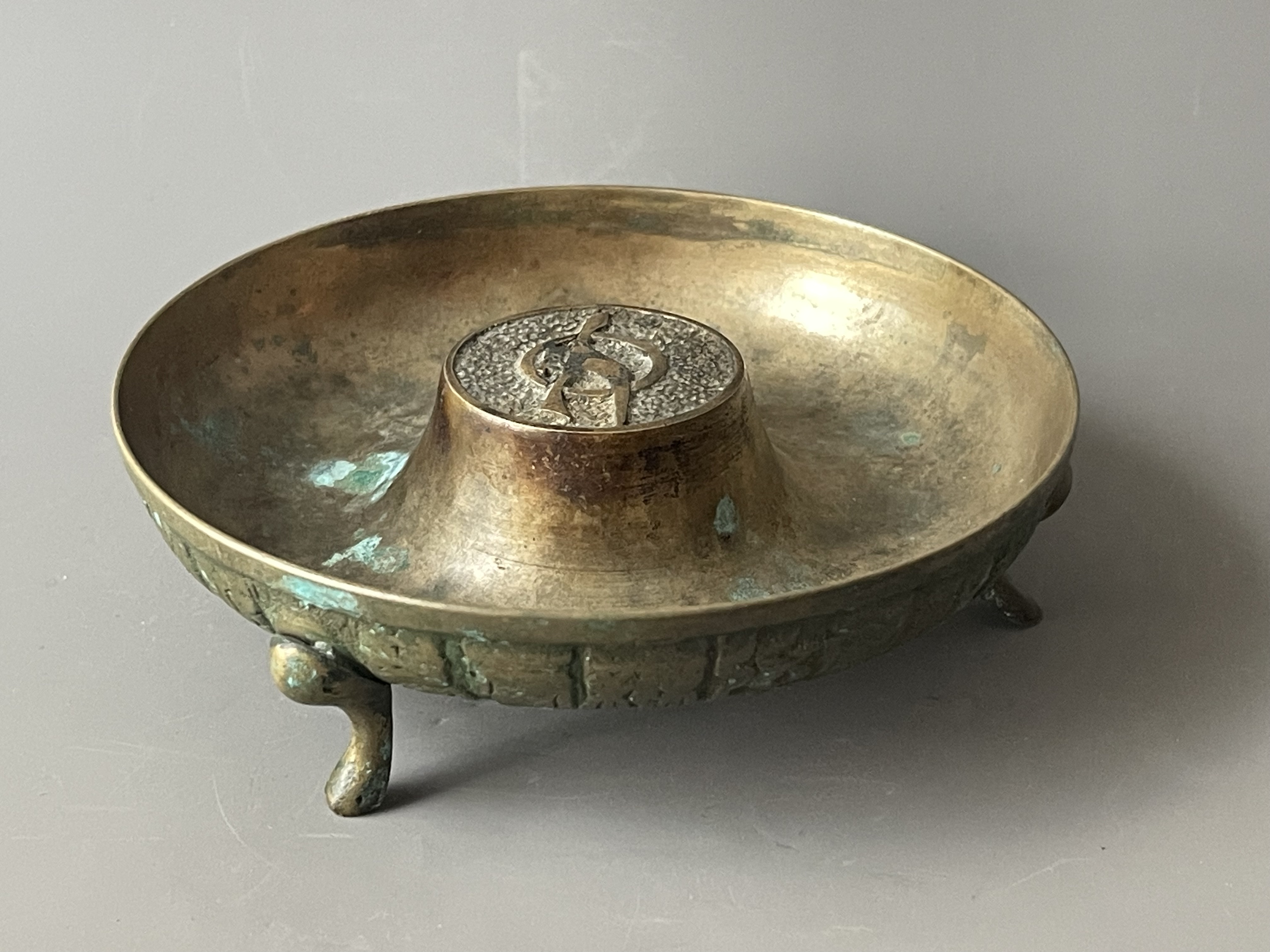
Mid-Qing Bronze Tripod Ritual Offering Vessel with Seal Inscriptions

Chinese Cast-Iron Tripod Censer — Pierced Body and Beast Finial

Chinese Bronze Tea Vessel — Eight Immortals and Hidden Eight Immortals
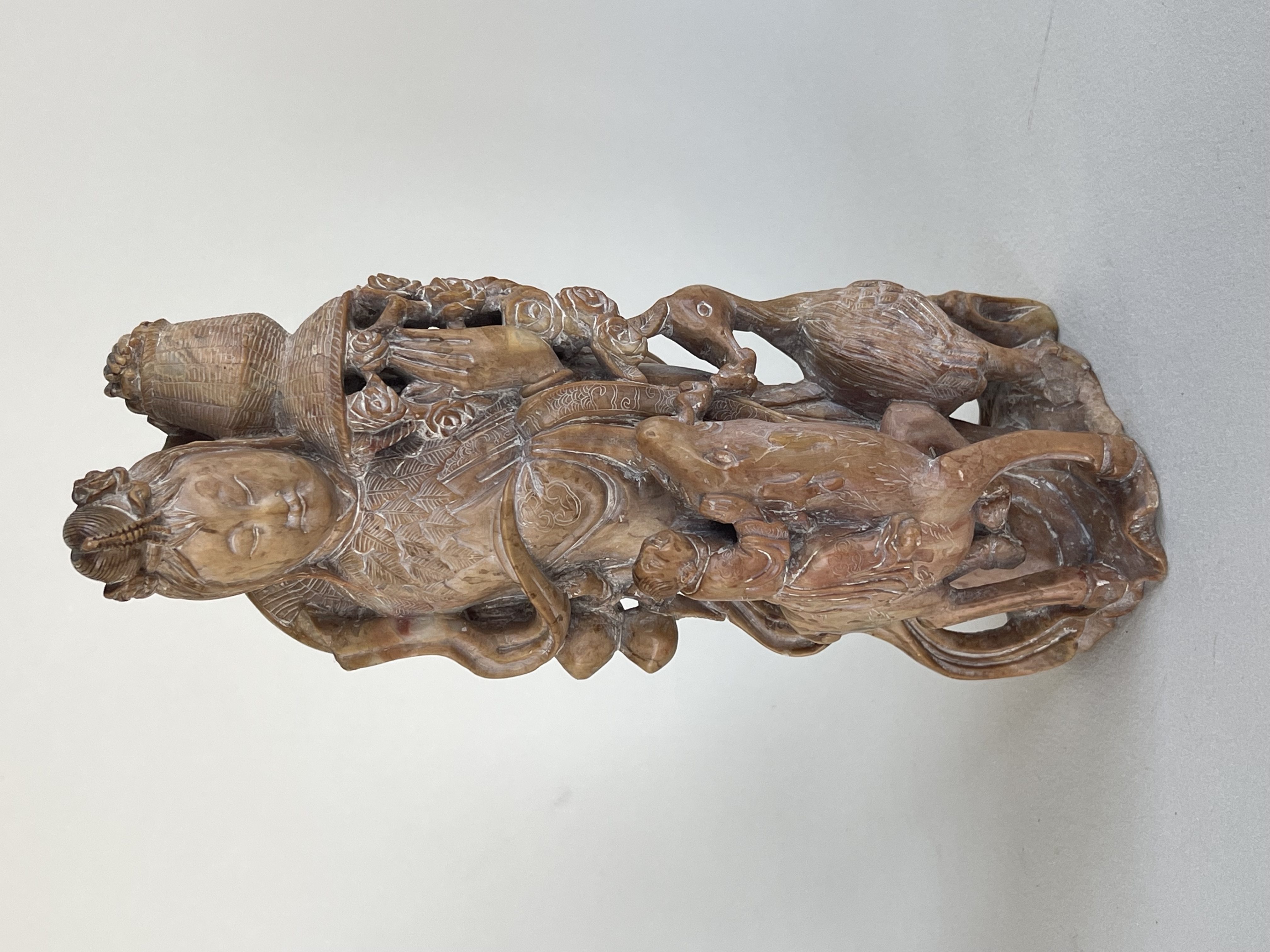
He Xiangu Scattering Flowers — Shoushan Stone Devotional Figure
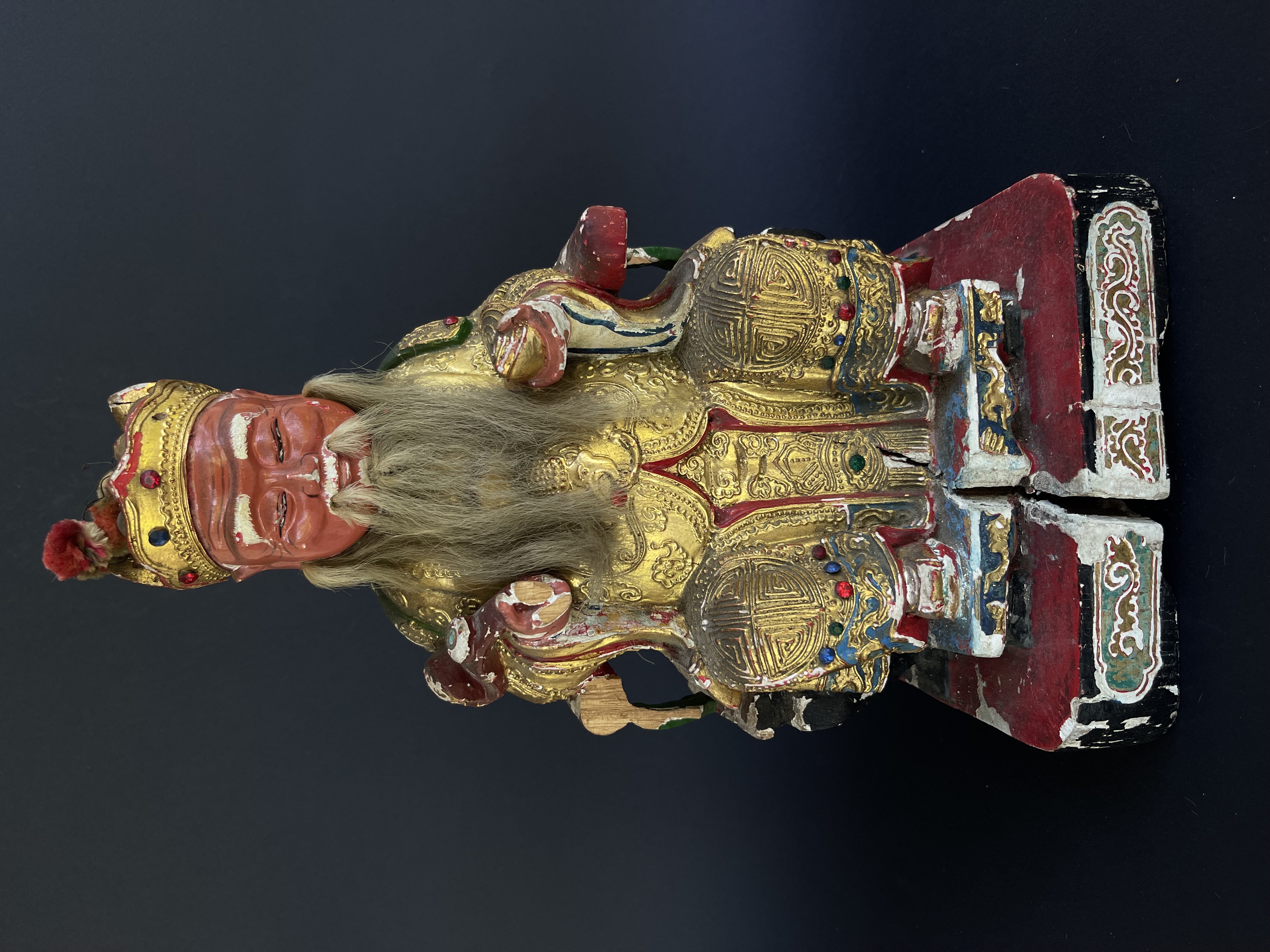
Chinese Seated Deity — Wood, Repoussé Metal and Fiber Beard

Standing Buddha — Solid-Cast Bronze with Lacquer Remains
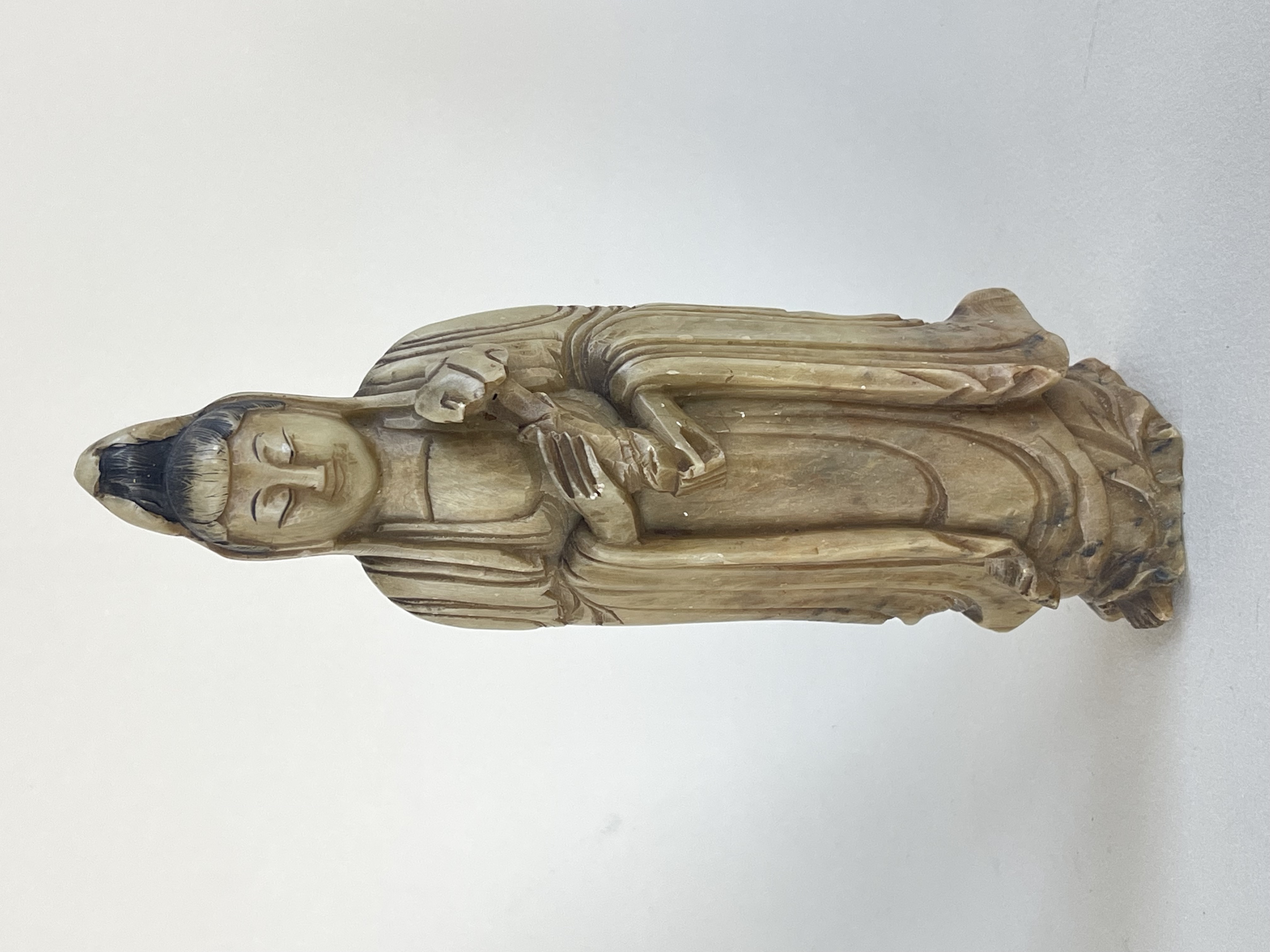
Qing Dynasty Soapstone Guanyin Portable Shrine Figure
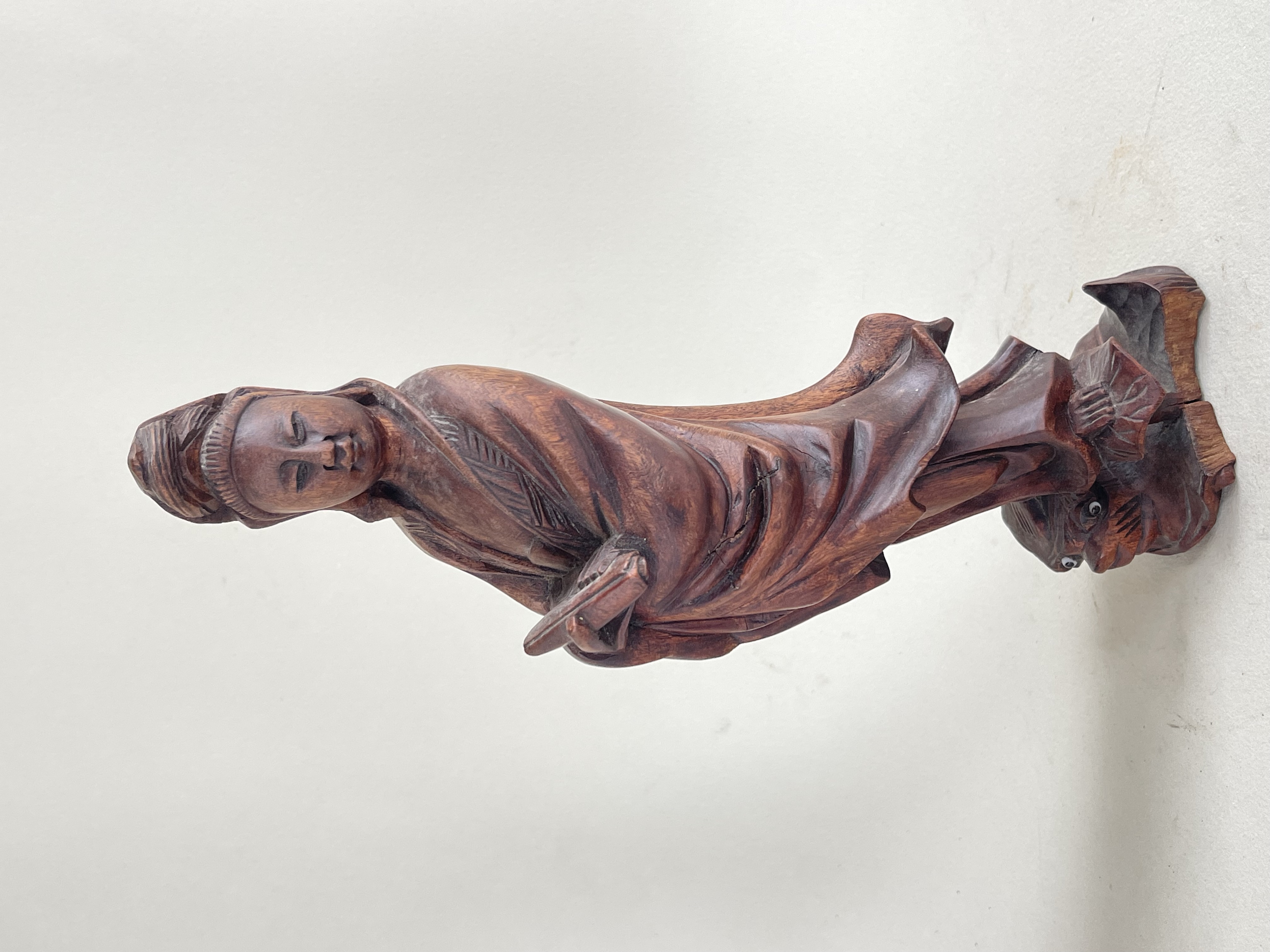
Republic-Period Chinese Camphorwood Guanyin Figure
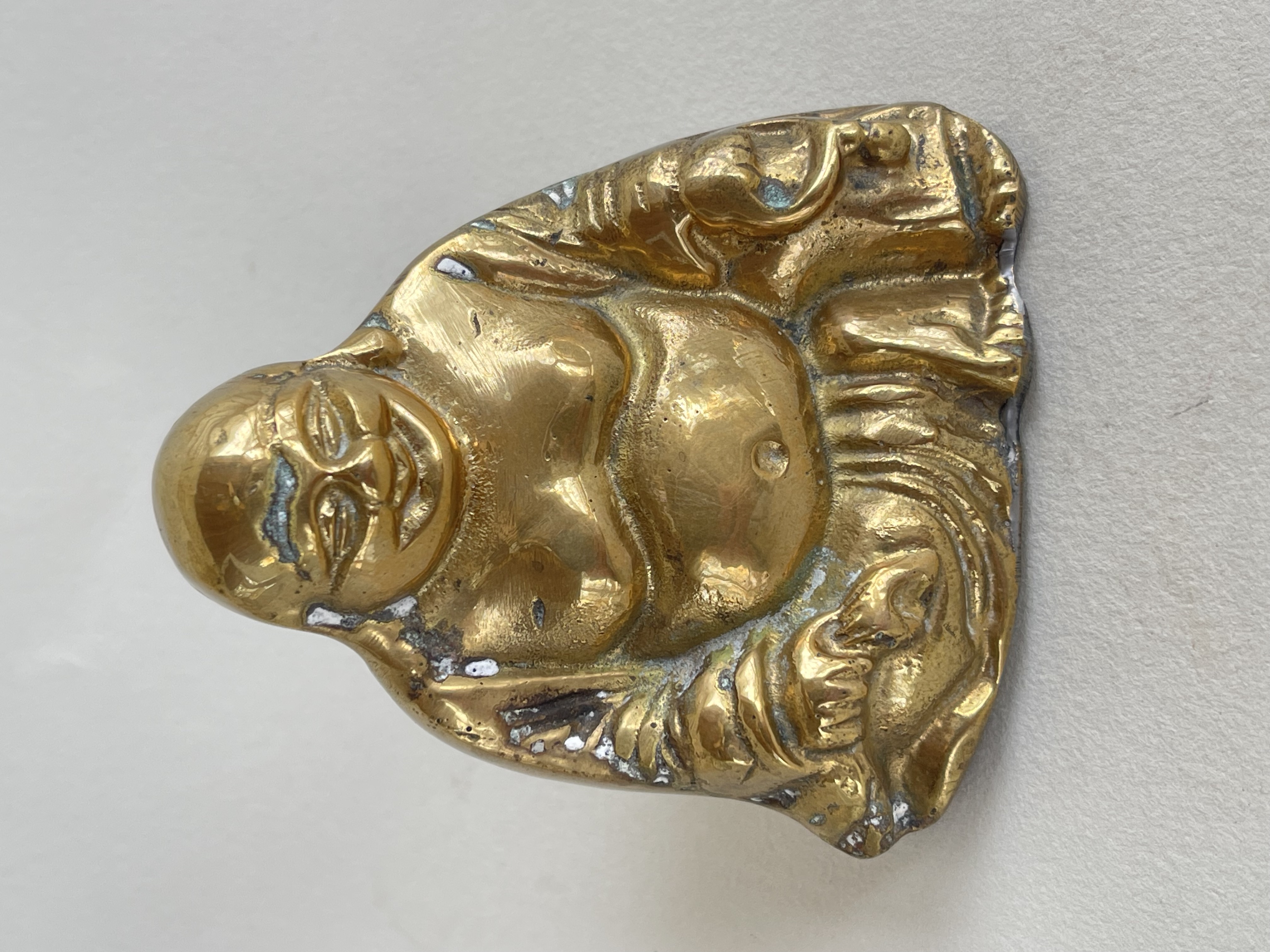
Republic-Era Gilt Bronze Budai, Laughing Buddha

Chinese Blue-and-White Porcelain Qing Court Official Figure

Chinese Canton Rose Medallion Porcelain Plate and Deep Bowl Lot
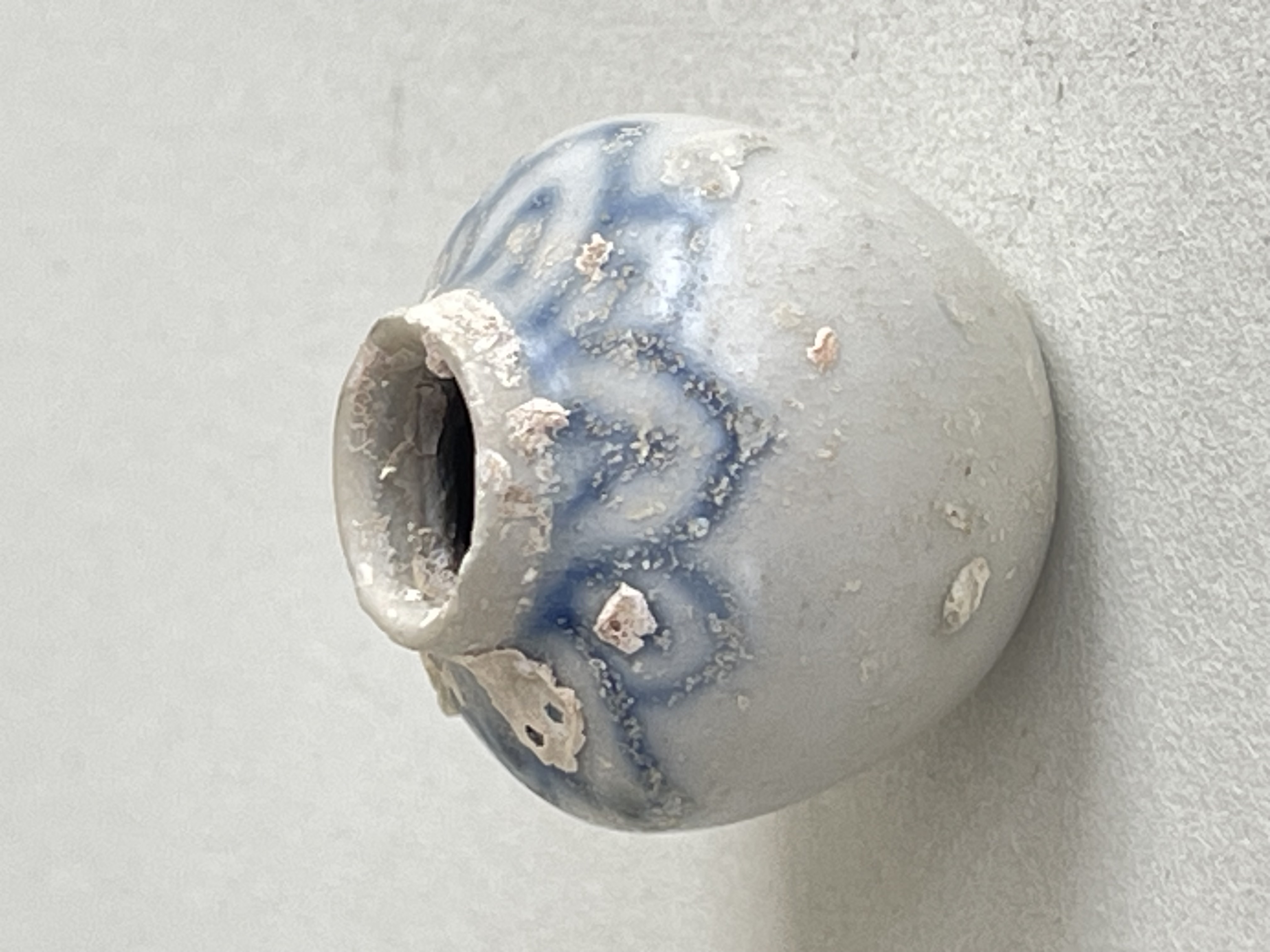
Hoi An Shipwreck Vietnamese Miniature Blue-and-White Cosmetic Vessel
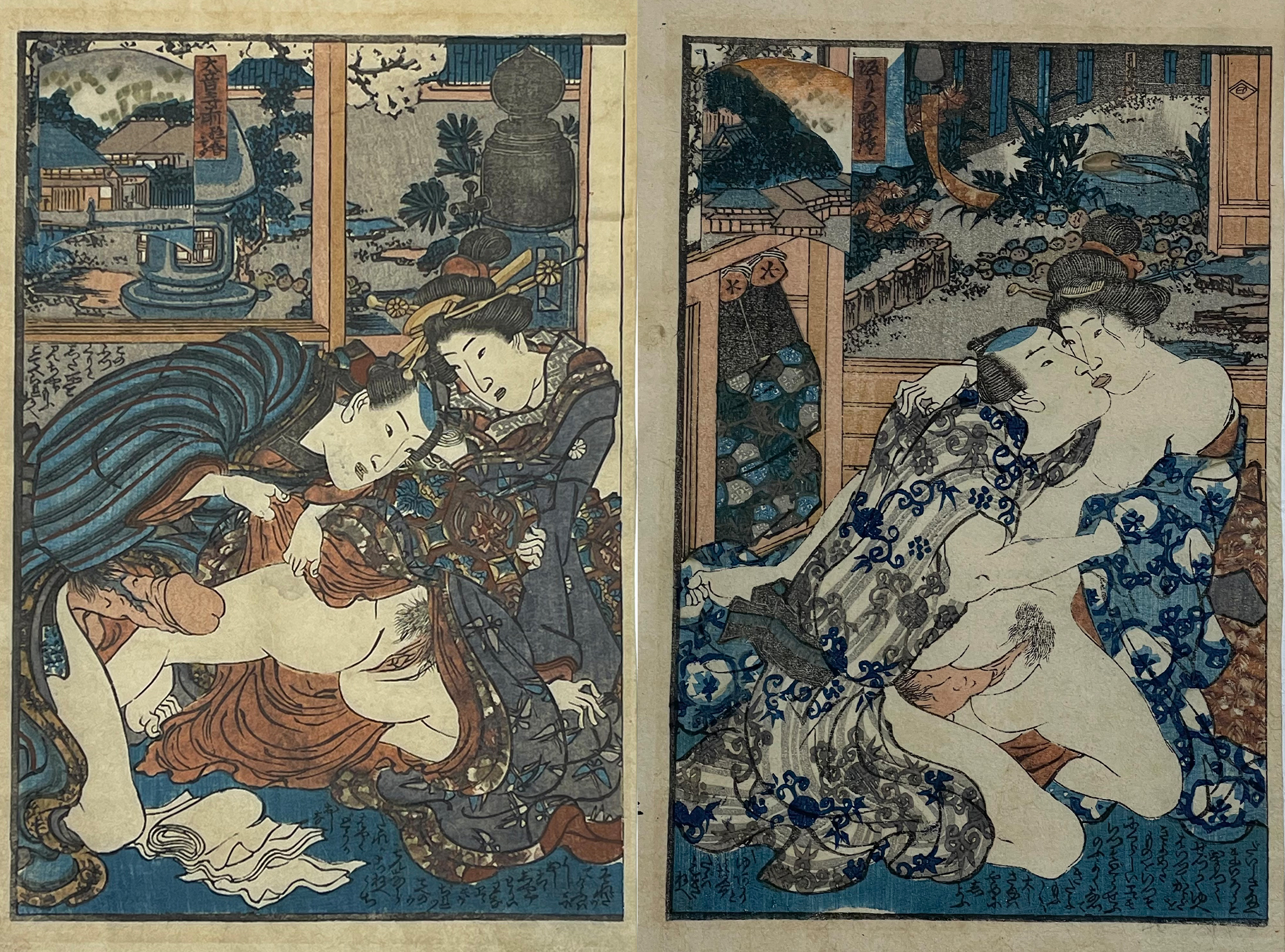
Antique Edo Japanese Shunga Woodblock Prints Pair Utagawa School 19th C
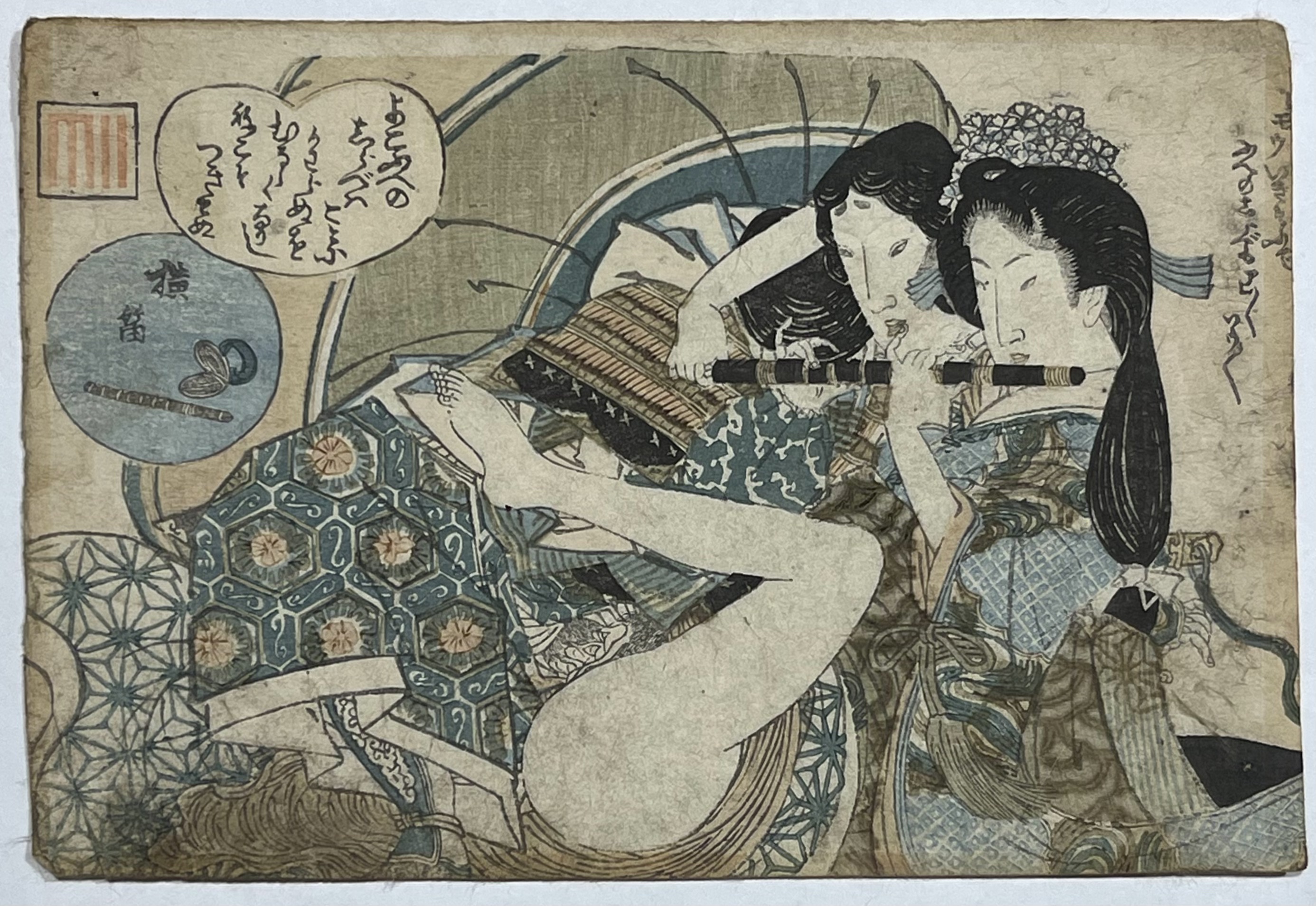
Antique Japanese Edo Shunga Erotic Woodblock Print Flute Lovers c. 1770–1830
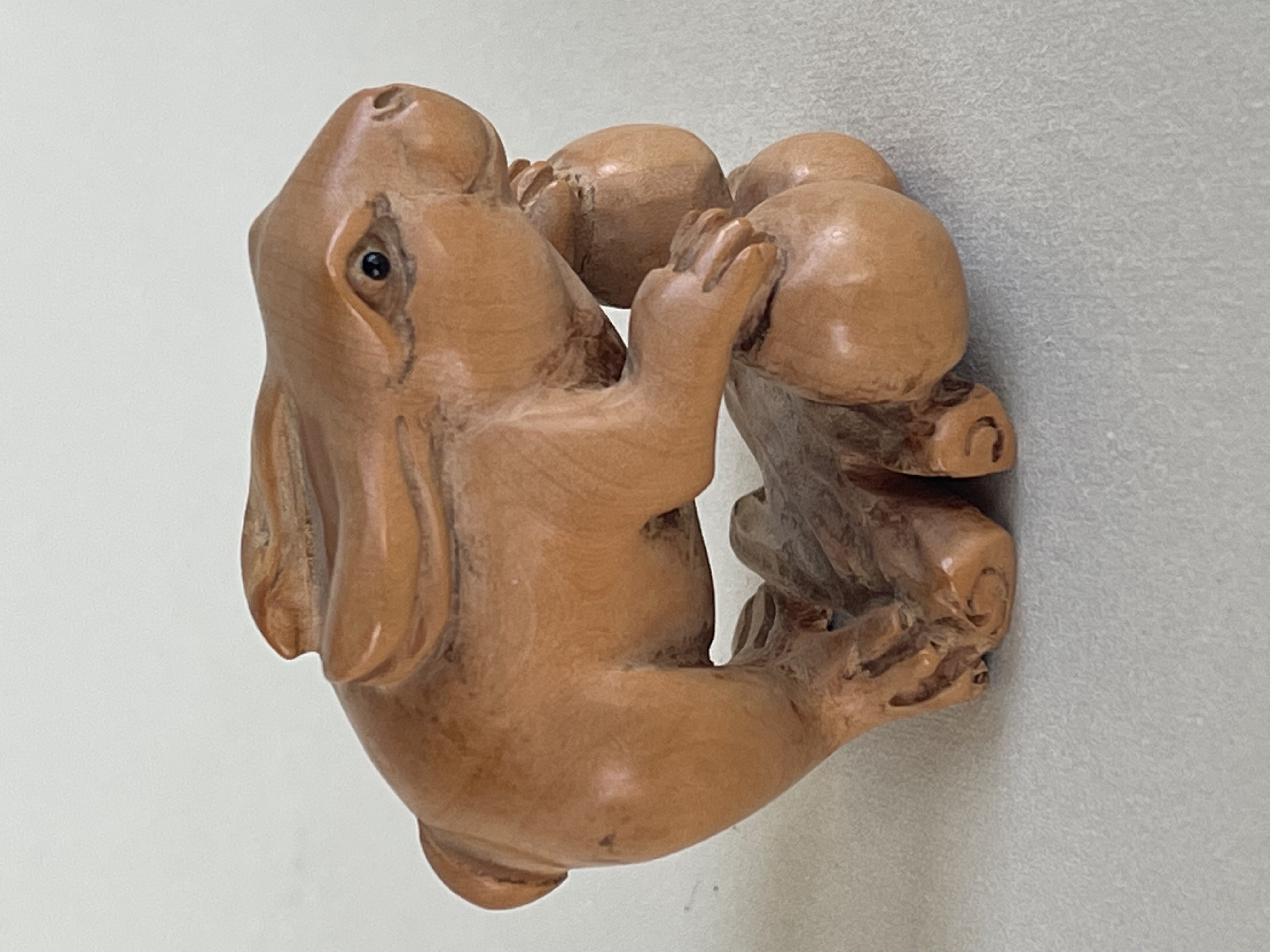
Antique Japanese Edo Wood Netsuke Hare Rabbit with Fruit Horn Eyes c.1770–1820
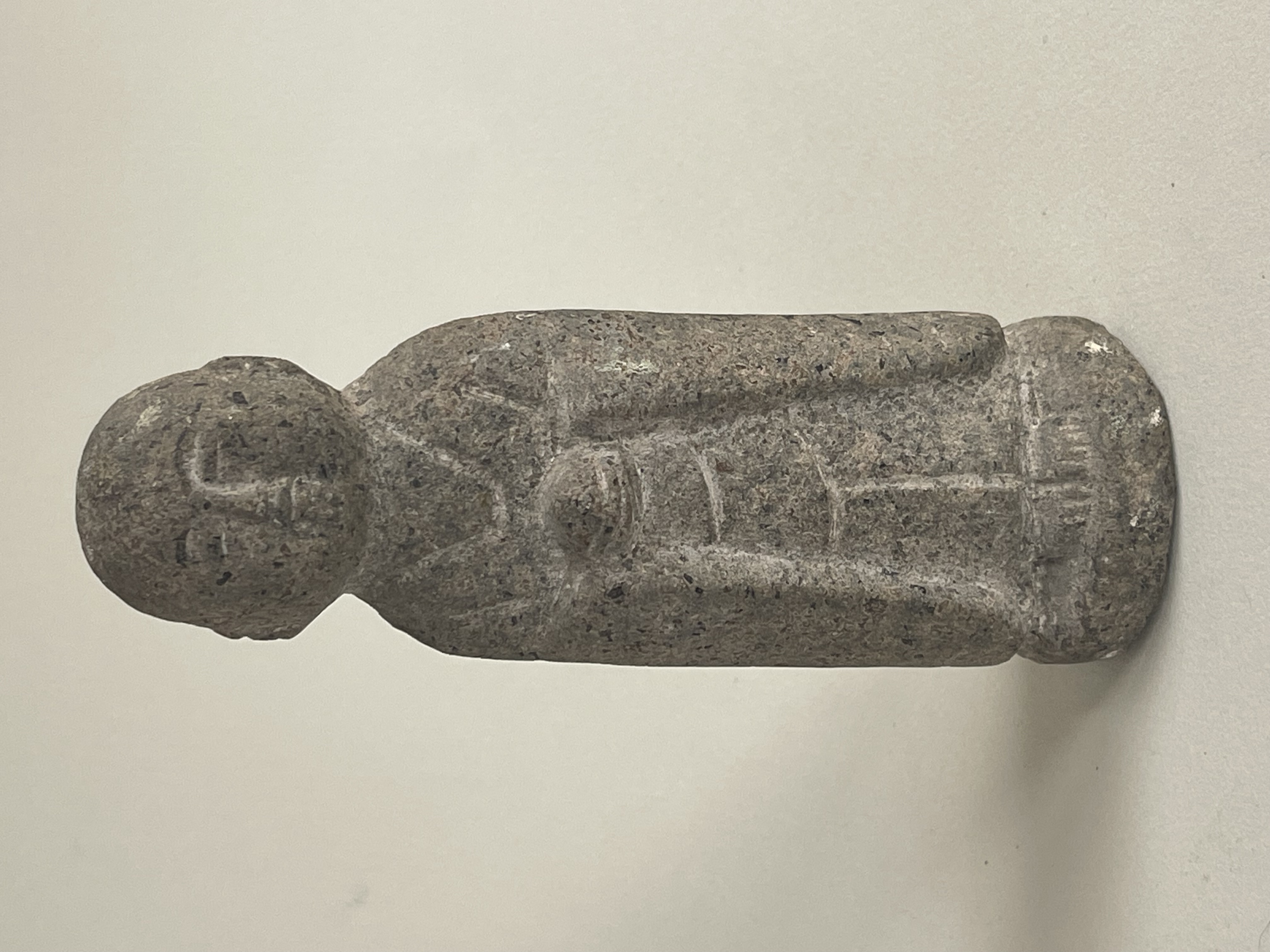
Japanese Edo Stone Jizō Bosatsu with Inscribed Base
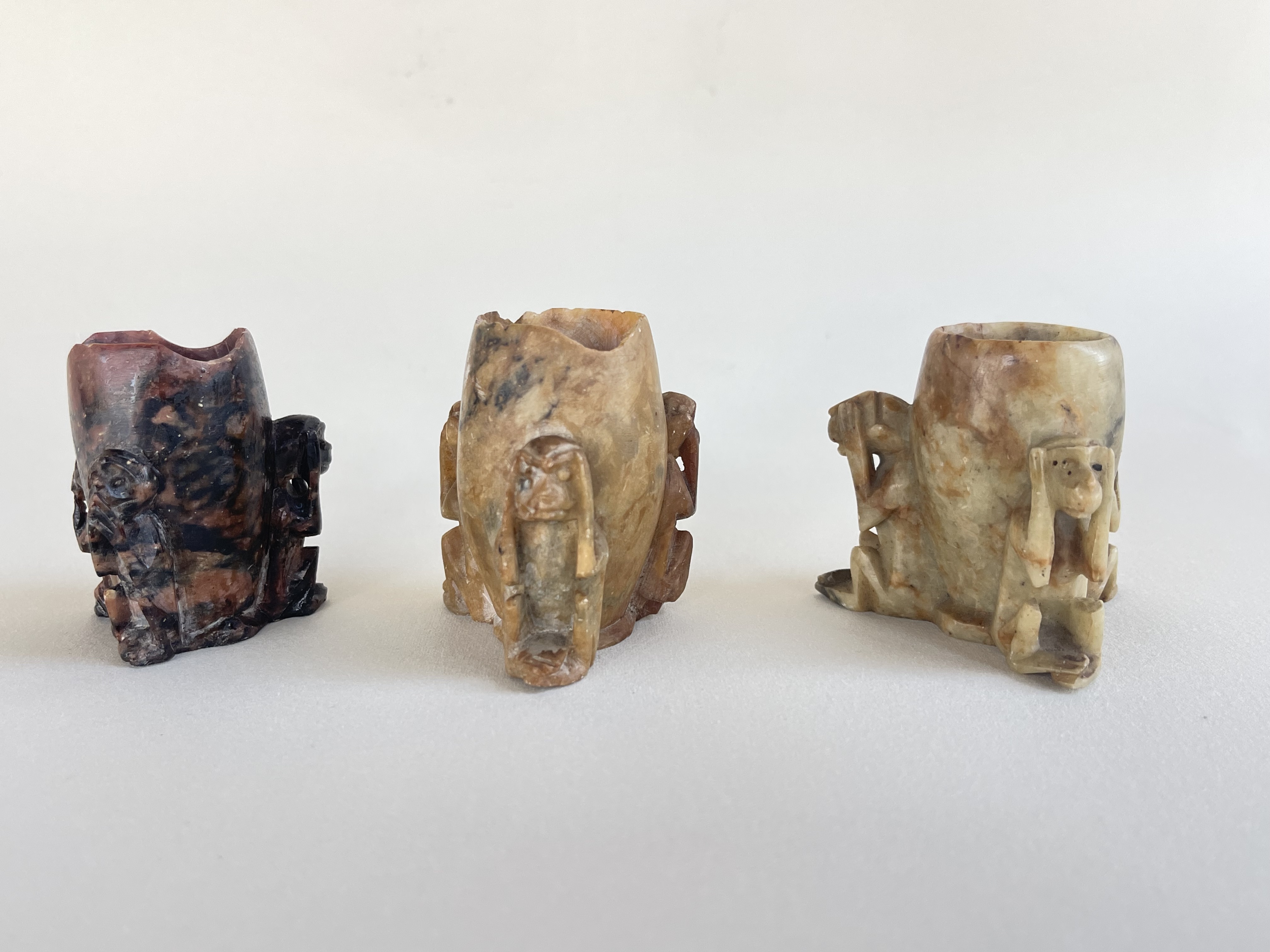
Group of Three Japanese Kōshin-Night Three-Monkeys Ritual Stone Cups

Japanese Kyo-Satsuma Sencha Bowl with Wisteria and Temple Scene
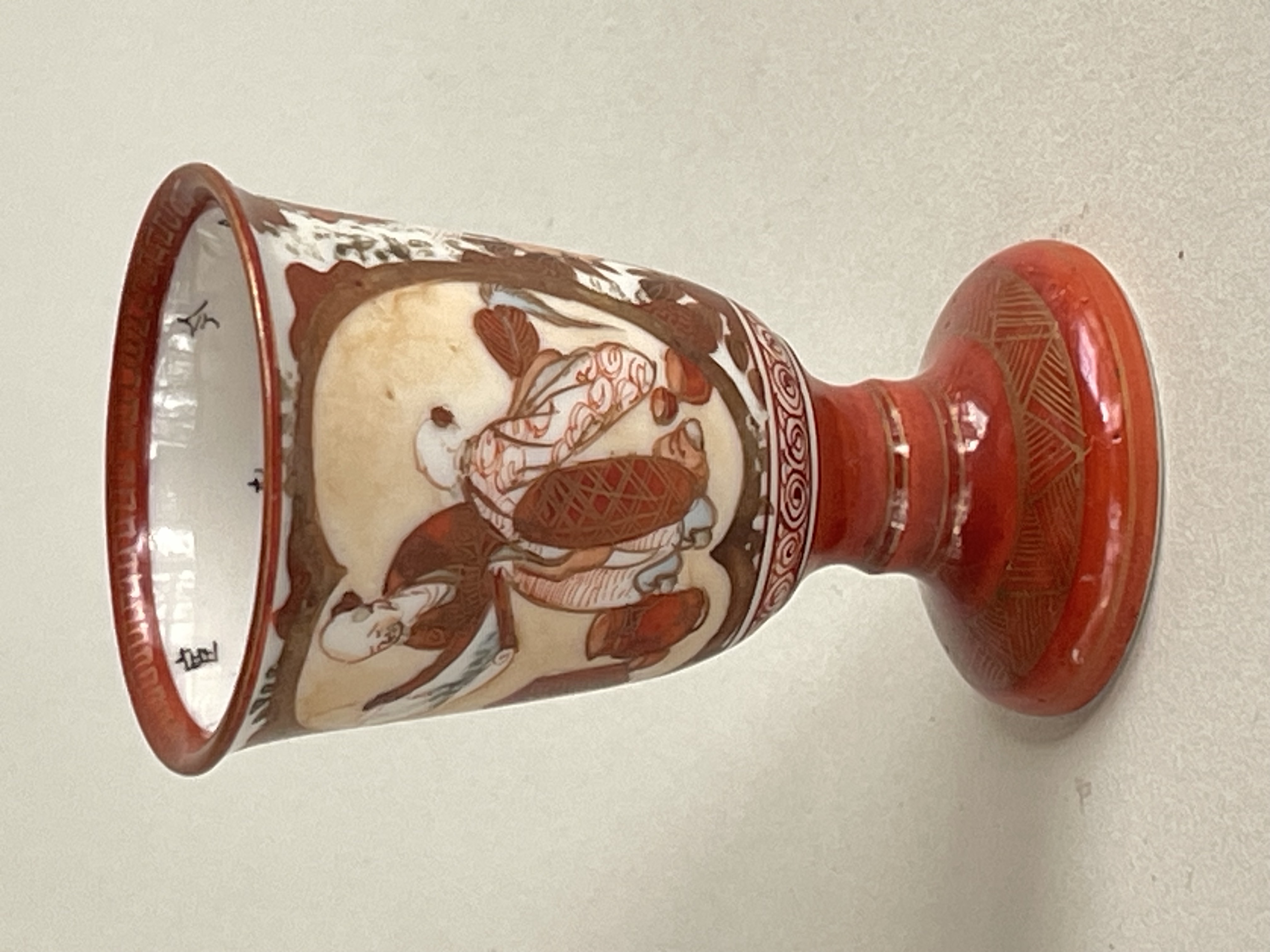
Kutani Stemmed Sakazuki with Chinese Poem and Scholars
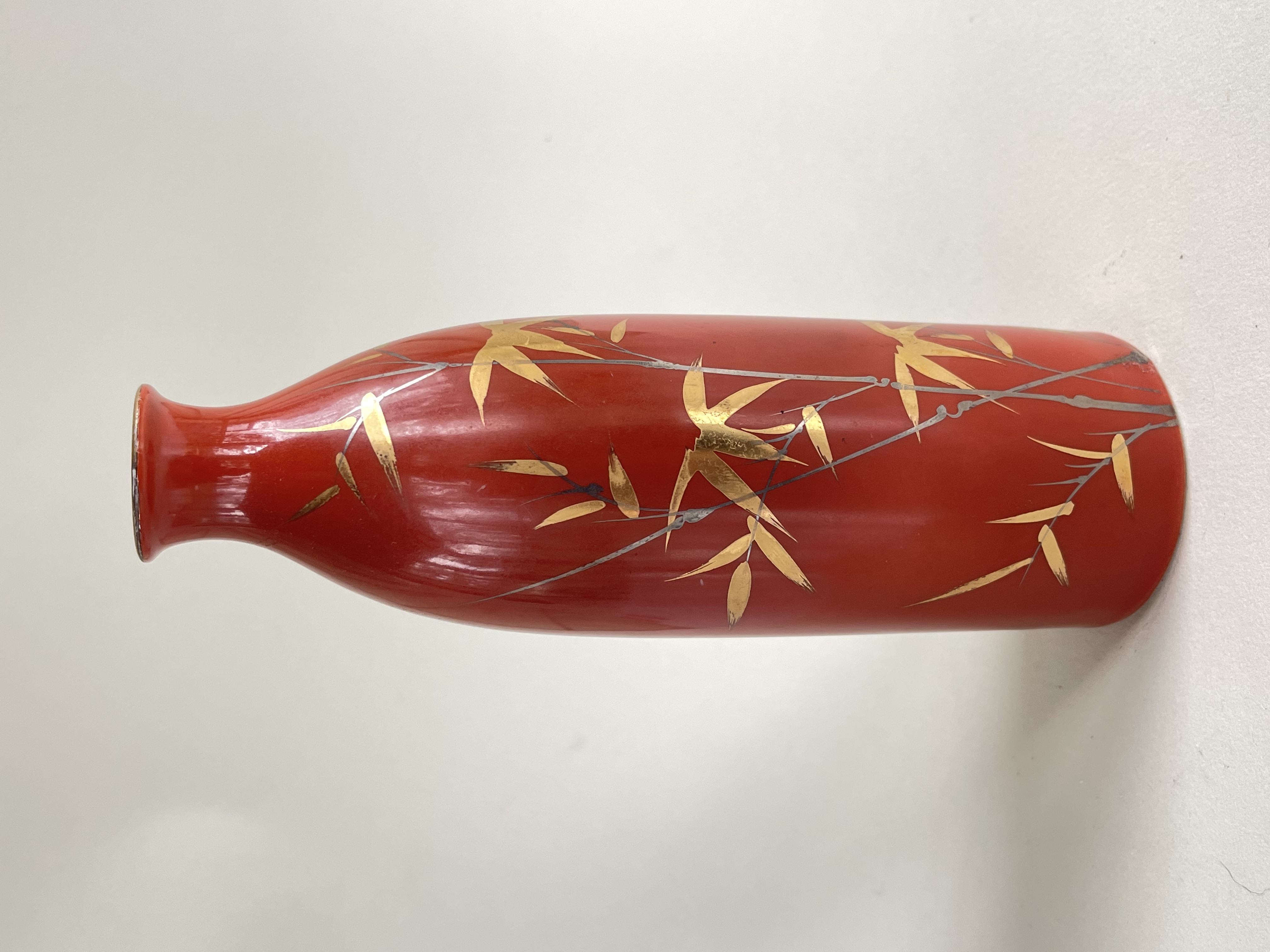
Japanese Iron-Red Porcelain Tokkuri with Gilt Bamboo
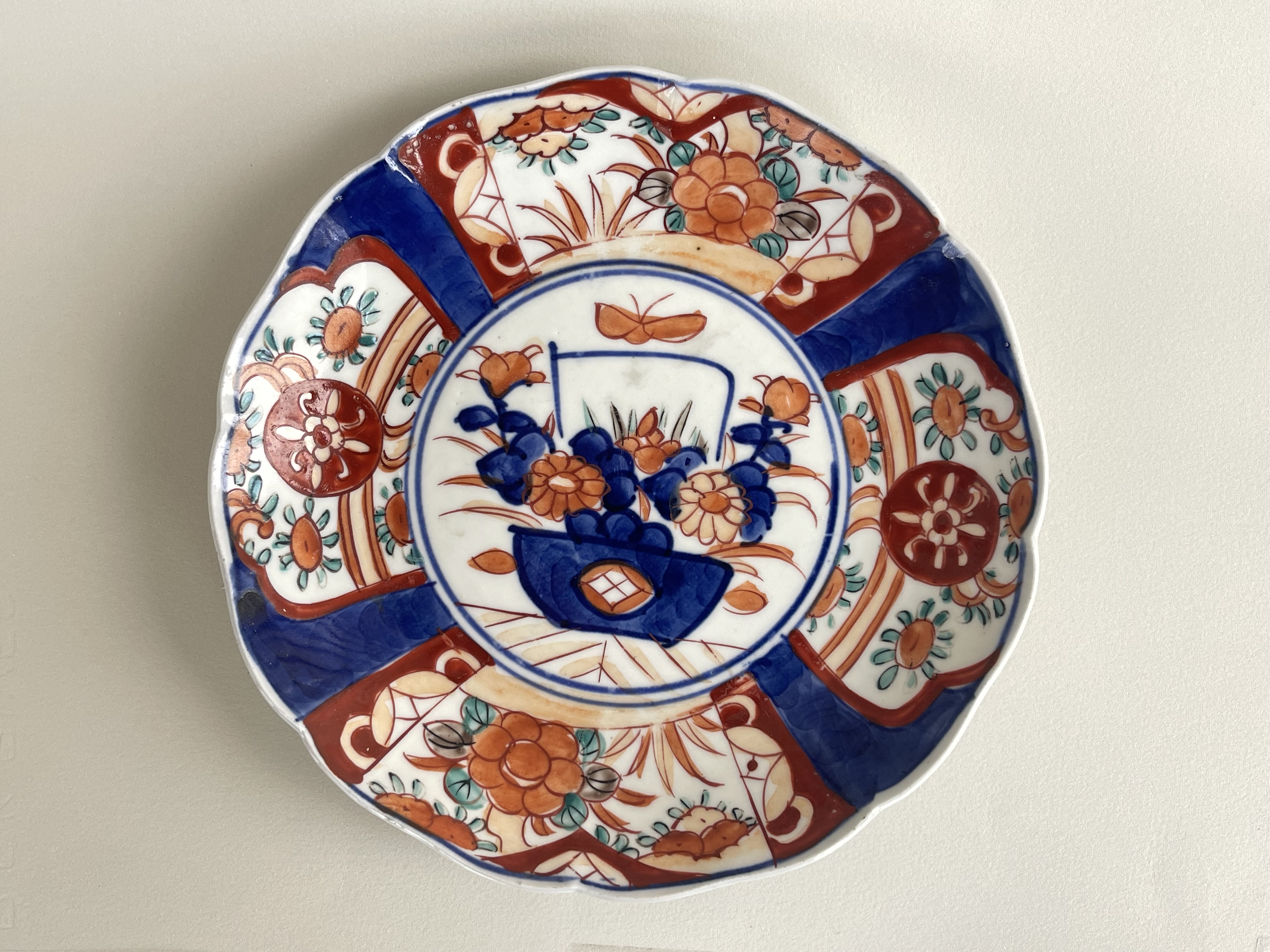
Japanese Imari Porcelain Plate with Flower-Filled Vase
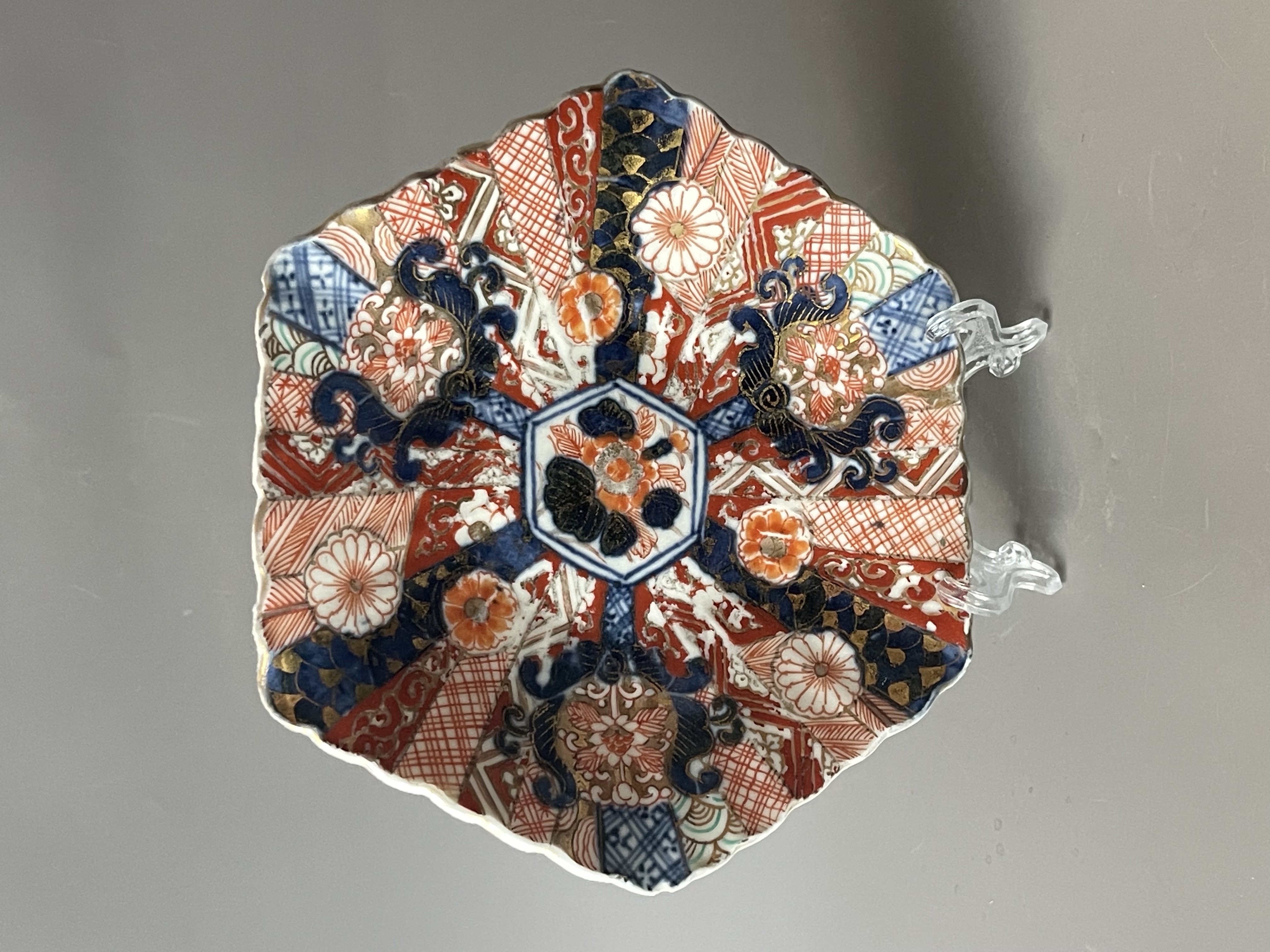
Japanese Imari Hexagonal Lobed Porcelain Plate