Explore the Collection
Objects from different cultures, periods, materials, and traditions, presented through one catalogue and one point of access.
Disclaimer
All objects offered here for loan have been professionally assessed and appraised. Assessments may contain errors and are subject to further research. Unless accompanied by laboratory test results, an object's assessment should be considered provisional.
Research Methodology and Analysis
Research and assessment at the Maurice Heritage Collection are grounded in more than 45 years of experience in collecting, studying, and examining objects of cultural, historical, and artistic significance. This accumulated experience informs the Collection's approach to identification, cultural attribution, chronology, historical function, and interpretation. Every object in the Collection is held in its physical possession and has been examined firsthand. This direct access enables systematic investigation of material characteristics, construction methods, manufacturing techniques, surface alterations, patination, wear patterns, and other physical evidence. These observations provide the foundation for assessing an object's materials, production techniques, cultural context, historical function, and age, and guide subsequent comparative and historical research. Where appropriate, objects of particular historical or cultural significance have also been discussed with leading, internationally recognized scholars and specialists for scholarly consultation, comparative guidance, and recommendations for further research. Advanced artificial intelligence tools are incorporated into the research process to extend comparative investigation, explore historical and cultural contexts, identify relevant scholarly publications and museum collections, and examine proposed attributions against documented examples. These tools also assist in organizing evidence, exploring alternative interpretations, and identifying questions that may warrant further investigation. Artificial intelligence additionally serves as a linguistic and editorial instrument, assisting in the translation, organization, drafting, and refinement of English-language texts. This enables research developed and directed by the Collection to be communicated with greater linguistic precision and clarity. While AI may contribute substantially to the formulation and presentation of the written text, the underlying physical observations, research direction, evaluation of evidence, and final scholarly judgments remain under the intellectual direction and responsibility of the Collection. The cultural attributions, chronological assessments, and interpretations presented in this catalogue reflect the Collection's accumulated experience, firsthand examination, comparative research, and scholarly judgment. The Collection welcomes continued investigation, independent scholarly examination, and the refinement of its findings as additional evidence becomes available.

Iron Age Danubian Bronze Insect-Form Fibula, Noricum–Pannonia

Monumental Late La Tène Plate Fibula with Female Figure and Enamel
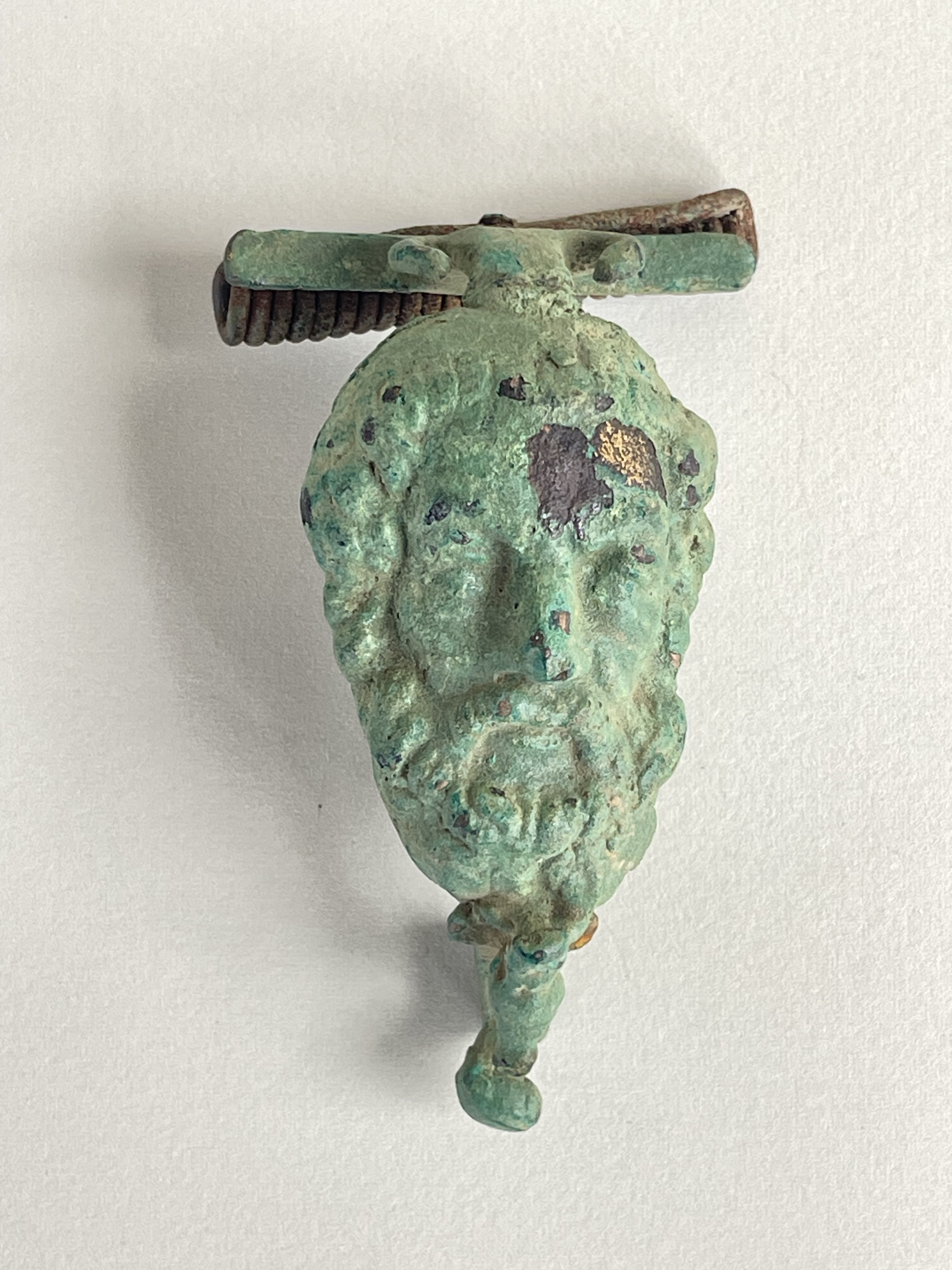
Late Iron Age Anthropomorphic Bronze Fibula with Roman Influence

Roman Bronze Parade Brooch with Bust, Boss Ring and Iron Pin

Ancient Roman Bronze Fascinum Fibula with Rare Enamel Inlays

Roman Bronze Hand-Held Apotropaic Phallus (Fascinum)

Roman Anthropomorphic Fascinum Amulet with Legs and Suspension Loop

Roman Miniature Winged Fascinum Amulet

Roman Bronze Fascinum Pendant (Plain Apotropaic Type)

Roman Bronze Erotic Relief Disk, Possibly a Fibula Plate

Roman Bronze Erotic Disk Fibula with Copulating Figures

Roman Bronze Figural Mount with Possible Functional Pull

Roman Gilded Bronze Unguentarium of Tear-Drop Form

Roman Bronze Libation Vessel with Applied Winged Harpy

Roman Bronze Dionysiac Ewer with Sculptural Satyr Handle

Greek Miniature Votive Vessel with Female Figure and Olive Motif

Eastern Mediterranean Bronze Bull Votive

Roman Bronze Youthful Archer Figure, Attributed to Apollo
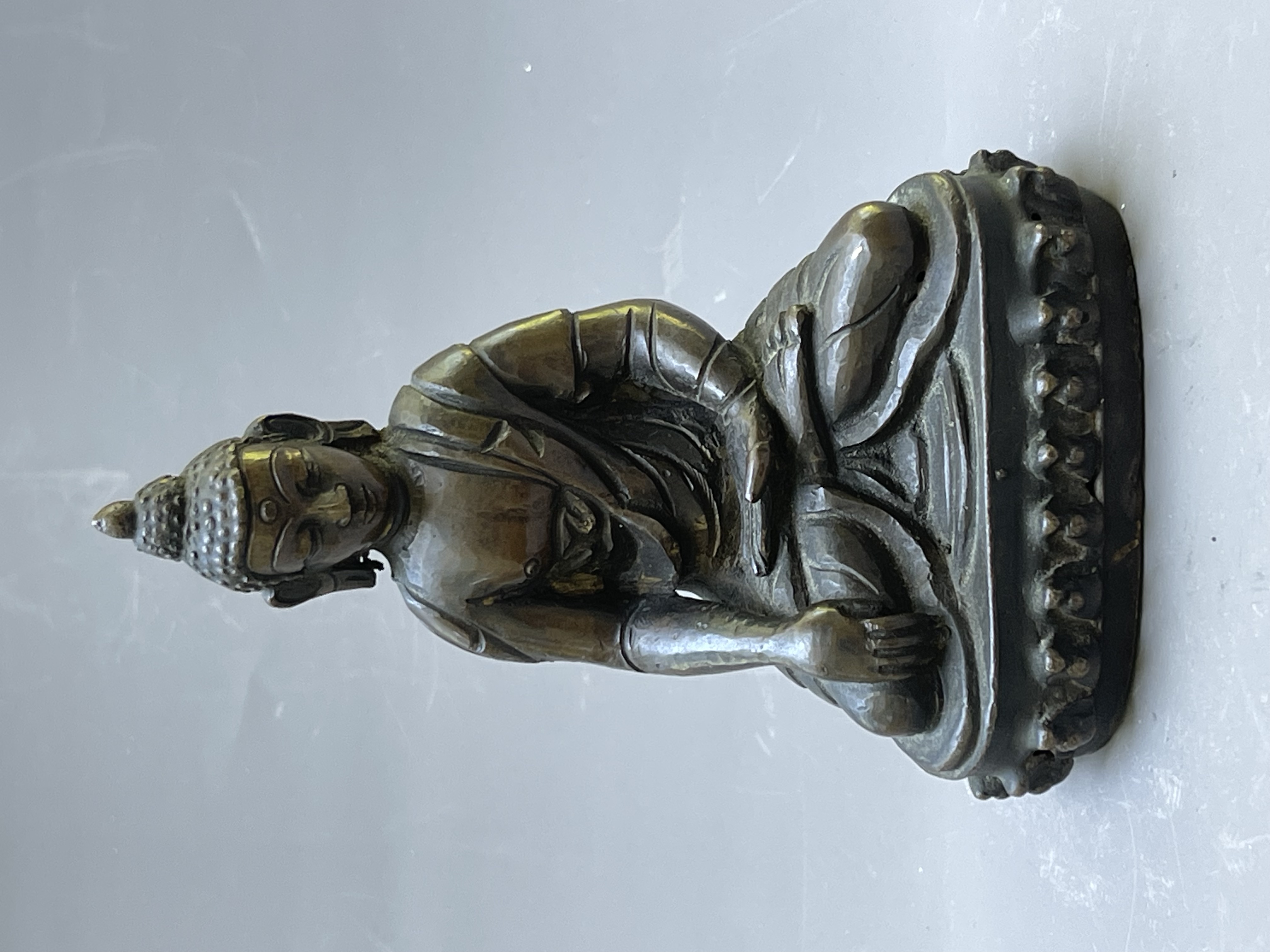
Himalayan Bronze Shakyamuni Buddha

Standing Buddhist Figure, Probably the Buddha
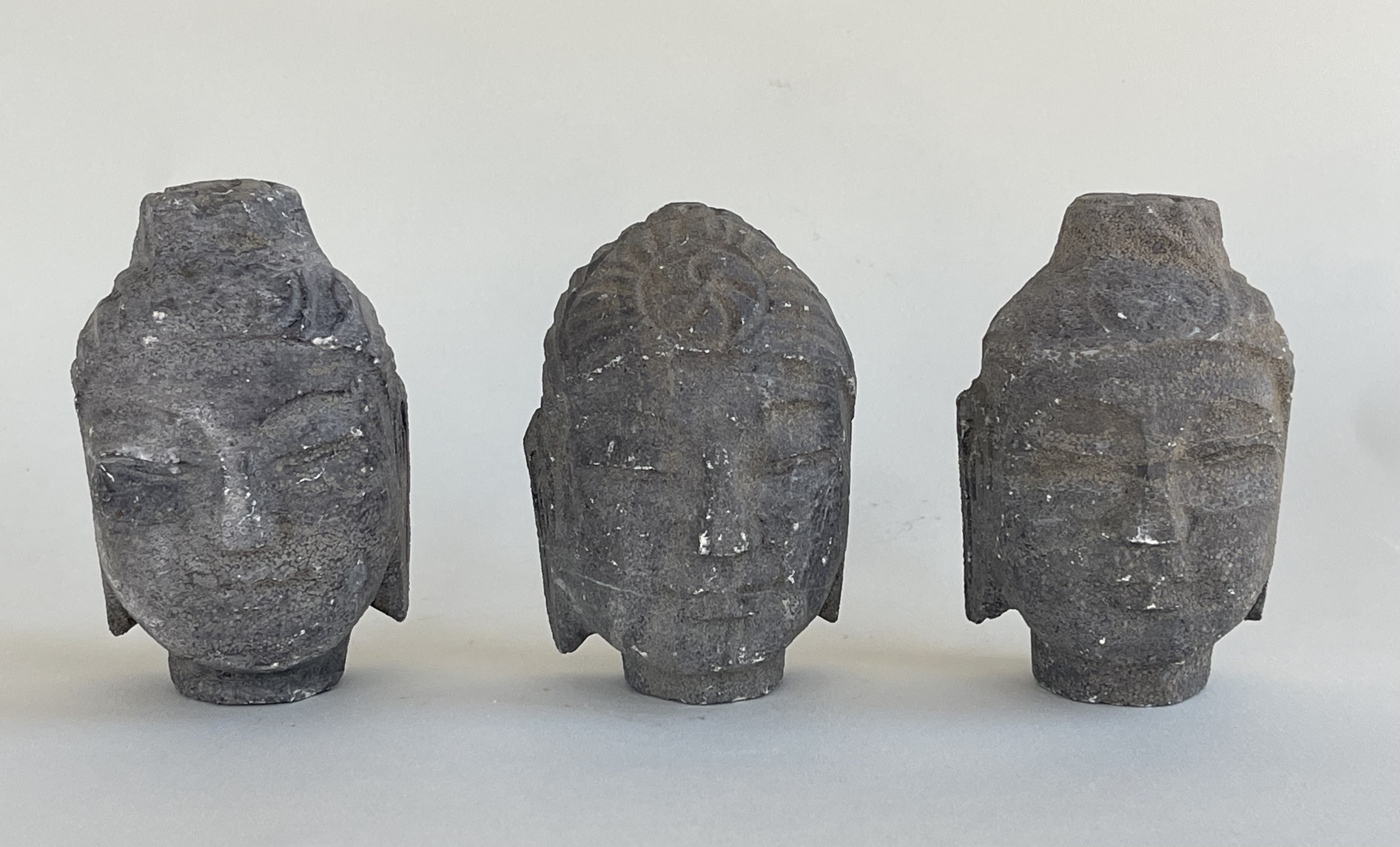
Triad of Buddhist Stone Heads, Attributed to Medieval Kashmir

Handheld Tibetan Buddhist Prayer Wheel with Printed Mantra Scroll

Standing Parvati (Uma), Late Vijayanagara–Early Nayaka Tradition
